
Jump to:
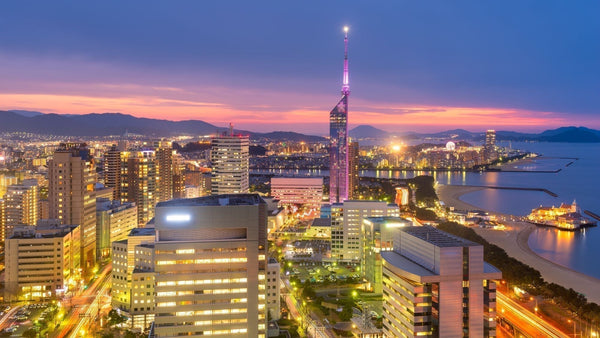
Fukuoka, the vibrant gateway to Kyushu, is a city where deep tradition blends seamlessly with modern, urban energy. Known for its bustling Yatai food stalls, rich Hakata Ramen culture, and famously warm hospitality, it offers a balanced mix of historic sites, scenic green spaces, and dynamic shopping and entertainment districts.
While spring and autumn provide the most comfortable weather for exploring, Fukuoka’s charm makes it a rewarding destination in any season.
In this guide, we’ll cover the best ways to reach Fukuoka from Japan’s major cities, introduce its essential attractions and local flavors, and share practical tips, suggested itineraries, and souvenir ideas to help you make the most of your visit.
Location, Access & How to Get to Fukuoka

Photo: Fukuoka Now
Fukuoka is the largest city in Kyushu by population, positioned on Japan’s southwestern coast, and widely regarded as the island’s cultural and economic gateway. Its status comes not from land size but from its role as the region’s most vibrant urban hub. Facing the Genkai Sea, Fukuoka has long served as a crossroads for trade and travel, and today it remains one of Japan’s most accessible cities thanks to its excellent transportation network.
From Tokyo, the journey takes about five hours by Shinkansen or just under two hours by air. Travelers coming from Osaka or Kyoto can reach Fukuoka in roughly 2.5 to 3 hours by Shinkansen, or about 1 hour and 15 minutes by plane. Nagoya offers similar options, with flights taking around 1.5 hours and Shinkansen travel about 3.5 hours. From Hiroshima, Fukuoka is especially close—only about one hour away by Shinkansen.
One thing that struck me when visiting Fukuoka was the highly welcome proximity of its airport to the city center: Fukuoka Airport is directly linked to Hakata Station by subway, a ride of just five minutes. With such smooth and efficient access, Fukuoka is an easy and appealing destination whether you’re visiting from major Japanese cities or beginning a wider exploration of Kyushu.


Best Time to Visit Fukuoka

Whereas I personally visited Fukuoka in the winter, the ideal seasons to visit Fukuoka are widely considered to be spring (March–May) and autumn (September–November), when the weather is pleasant and the city’s parks, temples, and shrines are at their most scenic.
In spring, cherry blossoms brighten spots like Ohori Park and the Fukuoka Castle ruins, while autumn brings crisp air and vivid foliage, perfect conditions for exploring the city. Summer is hot and humid, but it also marks festival season, highlighted by the energetic Hakata Gion Yamakasa.
Winters are milder than in northern Japan, making Fukuoka a comfortable destination year-round, though spring and fall offer the most enjoyable travel experience.
Top Attractions in Fukuoka: Best Things to See and Do
If you have the opportunity to visit Fukuoka, the following are some must-see locations.
1. Fukuoka Tower

Fukuoka Tower is one of the city’s defining landmarks and the tallest seaside tower in Japan. Standing 234 meters above Momochi Seaside Park, it provides sweeping 360-degree vistas of the Fukuoka skyline, Hakata Bay, and the distant Sefuri mountains.
Its observation deck, perched 123 meters high, is especially popular at sunset and for its glittering night views, recognized as one of Japan’s “Top 100 Night Views.”
With its distinctive mirrored facade and seasonal light displays, the tower serves as both a striking piece of modern architecture and a must-see spot for visitors looking to take in the city from above.
2. Kushida Shrine

Kushida Shrine is Fukuoka’s most cherished and historically significant Shinto shrine, with origins dating back to the 8th century. Affectionately known as “Okushida-san,” it is considered the guardian shrine of Hakata and holds a central place in the city’s cultural identity.
The shrine is especially famous for the Hakata Gion Yamakasa Festival each July, when teams race beautifully decorated floats through the streets. Visitors can also enjoy its ancient ginkgo tree, seasonal displays, and Japan’s largest otafuku mask, said to bring good luck.
Surrounded by modern buildings, Kushida Shrine remains a serene cultural sanctuary and an essential stop for anyone exploring Fukuoka.
3. Ohori Park

Ohori Park is one of Fukuoka’s most treasured green spaces, offering a calm and scenic escape in the center of the city. Built around a broad pond that once served as part of Fukuoka Castle’s moat, the park features walking and jogging paths encircling the water, graceful bridges, and small islands that create a tranquil landscape.
It’s a favorite place for residents to unwind, exercise, and enjoy the changing seasons—cherry blossoms in spring and vibrant foliage in autumn are especially popular.
With its Japanese garden, art museum, and boating activities, Ohori Park combines natural beauty with cultural charm, making it an essential stop for any visitor.
4. Fukuoka Castle Ruins

Set within the broad expanse of Maizuru Park, the Fukuoka Castle Ruins provide a vivid reminder of the city’s feudal heritage. Once the largest stronghold in Kyushu, the castle now survives through its stone walls, gates, and scattered foundations, yet the scale of the site remains striking. Visitors can stroll along elevated ramparts, step into reconstructed guard towers, and take in sweeping city views from former lookout points.
The grounds are particularly enchanting in spring, when thousands of cherry trees transform the area into one of Fukuoka’s most popular Hanami destinations. Combining history, nature, and open space, the ruins offer a tranquil escape in the heart of the city.
5. Nanzoin Temple

Nanzoin Temple, situated in Sasaguri just outside Fukuoka, stands as one of Kyushu’s most striking spiritual destinations. Its centerpiece is the colossal bronze reclining Buddha—over 41 meters long—depicting Buddha’s entry into Nirvana and renowned as one of the largest statues of its kind in the world. The temple grounds are spacious and serene, with wooded paths, small shrines, and picturesque bridges enhancing the peaceful setting. As a key stop on the Sasaguri Pilgrimage route, Nanzoin carries deep cultural meaning. With convenient train access from central Fukuoka, it offers visitors an impressive blend of scale, nature, and sacred atmosphere.
6. Dazaifu Tenmangu Shrine

Although perhaps not as well known as Kushida Shrine, Dazaifu Tenmangu Shrine remains one of Kyushu’s most significant Shinto sites. It lies just a short distance from Fukuoka. Dedicated to Sugawara no Michizane, the famed scholar and poet venerated as the deity of learning, it draws countless students seeking blessings for academic success.
The spacious grounds are adorned with arched bridges, reflective ponds, and seasonal gardens, including more than 6,000 plum trees that burst into brilliant bloom each spring, symbolizing Michizane’s enduring legacy. The approach to the shrine is lively, lined with shops offering local treats and crafts.
7. Itoshima

An area I particularly enjoyed visiting in Japan was Itoshima. This is a scenic peninsula just west of Fukuoka City known for its beautiful beaches, mountain landscapes, and easygoing coastal charm.
Less than an hour from central Fukuoka, it has become a favorite day-trip spot where visitors can swim, surf, hike, and enjoy exceptionally fresh seafood. Popular attractions include Keya Beach, the striking Keya no Oto sea cave, and Shiraito Falls, a serene cascade tucked into the mountains.
The region is also filled with stylish cafés, artisanal shops, and oceanfront restaurants, adding to its appeal. With its mix of natural beauty and relaxed atmosphere, Itoshima is an ideal place to slow down and unwind.
Best Food in Fukuoka: What to Eat & Local Specialties

Fukuoka is widely regarded as one of Japan’s great food capitals, and experiencing its local cuisine is a highlight of any trip to the city. Its culinary culture is rooted in bold flavors, comforting dishes, and an unmistakable sense of warmth, making every meal feel both satisfying and memorable.
The city’s most iconic dish is Hakata ramen, renowned nationwide for its creamy, aromatic tonkotsu broth made by simmering pork bones for hours. Served with ultra-thin noodles and topped with sliced pork, green onions, and pickled ginger, it offers a deep, savory richness that keeps visitors coming back for more.

While excellent ramen shops can be found across the city, one of the most enjoyable ways to experience the dish is at Fukuoka’s famous yatai—open-air food stalls set along the rivers and streets of areas such as Nakasu. These lively stalls serve not only ramen but also Yakitori, Tempura, Oden, and other favorites, creating an atmosphere where locals and travelers mingle over late-night meals.

Another beloved specialty is Motsunabe, a hearty hot pot of beef or pork offal simmered with cabbage, garlic chives, and flavorful broth. It’s a dish best enjoyed with friends around a shared pot, capturing the communal spirit of Fukuoka dining. The city also excels in seafood, thanks to its location along Hakata Bay. Markets and restaurants offer incredibly fresh sushi, sashimi, and grilled fish, showcasing the region’s maritime bounty.

Fukuoka is also the birthplace of Mentaiko (spicy cod roe), a versatile ingredient enjoyed with rice, in onigiri, or even atop pasta. Other local favorites include Hakata Gyoza—small, crispy dumplings perfect for snacking—and Hakata Udon, soft, comforting noodles.
Together, these dishes reflect Fukuoka’s culinary heritage and its welcoming, down-to-earth hospitality, solidifying its reputation as a true food lover’s paradise.
Best Local Sake & Shochu in Fukuoka

Fukuoka’s dining culture wouldn’t be complete without its locally brewed sake and easy-drinking Kyushu shochu, both of which pair beautifully with the region’s hearty dishes. The prefecture is one of Japan’s major sake-producing areas, known for soft, high-quality water that lends itself to clean, refined brews.
Visitors can seek out celebrated local labels such as Shigemasu from Yame, prized for its elegant aroma and award-winning daiginjo, or Hyakunenshu from Hakata’s historic Ishikura Brewery, which offers rich, traditional flavors right in the heart of the city. Other regional favorites like Mii no Kotobuki and Chikugoizumi showcase the balanced, food-friendly style known collectively as “Hakata sake.”
Shochu is equally integral to Kyushu’s food scene, and Fukuoka has its own distinctive approach, focusing mainly on smooth, lightly aromatic barley shochu. A classic local choice is Hakata no Hana, a mellow, easy-to-drink spirit often enjoyed with Motsunabe or yakitori.
You’ll also encounter Kyushu staples beloved throughout Fukuoka’s bars and yatai stalls—such as Iichiko and Nikaido, both gentle barley shochus from nearby Oita, and the richer, sweet-edged Kurokirishima, a popular Imo (potato) Shochu from Miyazaki.
Shopping & Entertainment in Fukuoka

Fukuoka delivers a vibrant blend of shopping, culture, and entertainment, combining sleek modern hubs with the warmth of local charm.
In central Tenjin, the Tenjin Underground Mall stretches beneath the city like a polished, air-conditioned maze, home to more than 150 boutiques, cafés, and specialty shops. It’s a convenient place to browse fashion, cosmetics, and lifestyle goods while staying sheltered from rain or summer heat.
Nearby, the sprawling Canal City Hakata offers an immersive shopping and entertainment experience, complete with global and Japanese brands, restaurants, a cinema, and a scenic canal running through the complex. Its bold architecture and choreographed fountain shows make it a landmark that visitors often explore even without shopping in mind.
For high-energy fun, BOSS E・ZO FUKUOKA—next to the PayPay Dome—features VR attractions, rooftop thrill rides, sports experiences, and hands-on exhibits, making it a top pick for families and adventure-seekers.
Fukuoka’s retail scene also extends to traditional spaces like Yanagibashi Rengo Market, where fresh seafood, produce, and local specialties highlight the city’s rich food culture. For a more refined atmosphere, Hakata Riverain Mall offers art galleries, elegant cafés, and upscale shops.
Fukuoka Itineraries: 1-Day, 2-Day & Relaxed Travel Plans
So how can you make the most of your time in Fukuoka without overdoing it and trying to fit in too much? The sample itineraries below should give you a few good pointers, depending on how much time you have there.
One-Day Fukuoka Itinerary
If you only have one day to spend in Fukuoka, I would recommend visiting some of its famous areas as follows.
Start your day with a peaceful stroll around Ohori Park and its tranquil Japanese Garden before heading to the nearby Fukuoka Castle Ruins in Maizuru Park for historical remnants and city views.
By midday, make your way to Kushida Shrine, the spiritual heart of Fukuoka, then explore Canal City Hakata for shopping and lunch.
In the afternoon, enjoy sweeping views of Hakata Bay from Fukuoka Tower and unwind at Momochi Seaside Park just next door.
As evening falls, cap off your day at the lively yatai food stalls along the Naka River in Nakasu, where you can sample Hakata ramen, yakitori, and other local favorites.
Two-Day Fukuoka Itinerary
If you have a second day in Fukuoka, you can begin the day with a short train ride to Dazaifu Tenmangu Shrine, where you can wander its serene grounds and plum tree gardens before heading next door to the Kyushu National Museum for a deeper look into the region’s cultural history.
In the afternoon, visit Nanzoin Temple to admire the impressive reclining Buddha, or opt instead for a relaxing trip to Itoshima to enjoy its beaches, fresh seafood, and coastal cafés.
Return to Fukuoka in the evening to browse the shops of the Tenjin Underground Mall, then finish your day with entertainment at BOSS E・ZO FUKUOKA near the PayPay Dome—or savor another memorable round of Yatai dining.
Laid-Back Fukuoka Itinerary

If you are like me and find the above a little too “busy”, another option for the second day is to stick to a single theme, for example, culture or coast.
If you want something more laid back, you can spend the morning perusing the beautiful rock and moss gardens of Komyozenji Zen Garden, one of the most beautiful of its type in Kyushu, before enjoying lunch of traditional soba on the approach street to the gardens, and a trip to the Kyushu National Museum in the afternoon.
If the coast is more your thing, you could spend the second day in Itoshima, which is located around 45 minutes out of the city. Enjoy a coastal walk in the morning to give you a good appetite for a café brunch or lunch at one of its many stylish cafes.
Enjoy the Shiraito falls and the multitude of craft and local produce shops in the afternoon before heading back to Fukuoka in the evening for dinner.
This is the itinerary that I followed on my second day in Kyushu, and I can personally attest to the fact that there is plenty in Itoshima to keep you occupied all day with only minimal traveling required.
Best Souvenirs From Fukuoka

Fukuoka offers a rich selection of souvenirs that reflect its culinary traditions, craftsmanship, and regional character. Whether you’re looking for something edible, elegant, or practical, the city makes it easy to find gifts that feel truly local. Here are five excellent choices to consider.
Amaou Strawberry Sweets - Renowned across Japan, Fukuoka’s Amaou strawberries are prized for their impressive size, sweetness, and rich flavor. The name “Amaou” comes from akai (red), marui (round), ookii (big), and umai (delicious), perfectly describing these premium fruits.
Since fresh berries are delicate and highly seasonal, visitors often choose beautifully packaged Amaou-inspired sweets that preserve their fragrance and taste. Popular treats include cakes, chocolates, baumkuchen, cookies, jellies, and even limited-edition KitKats.
Exclusive Amaou products can be found at Hakata Station, Fukuoka Airport, and local patisseries, making them a colorful, crowd-pleasing souvenir that reflects the city’s unique culinary identity.
Mentaiko Products - Fukuoka, the birthplace of Mentaiko, is the ideal destination to taste and buy this savory, spicy cod roe. While fresh Mentaiko requires refrigeration, visitors can easily bring home shelf-friendly options such as Mentaiko mayonnaise, rice crackers, furikake (seasoned rice toppings), and even instant ramen infused with tonkotsu and Mentaiko flavors.
Attractive gift sets are widely available at Hakata Station, particularly in the Meihingura shopping area—as well as at Fukuoka Airport and major department stores across the city, making it simple to carry a piece of Fukuoka’s culinary heritage back home.
Hakata Ori Textiles

With a legacy spanning more than 770 years, Hakata Ori stands as one of Fukuoka’s most treasured traditional textiles. Renowned for its dense weave and elegant geometric patterns, the fabric was once reserved for obi belts worn by Hakata’s samurai.
Today, skilled artisans adapt this heritage craft into modern accessories such as wallets, ties, card cases, makeup pouches, and bookmarks—combining timeless artistry with everyday utility.
Authentic Hakata Ori items can be found at specialty shops near Kushida Shrine, Hakata Station, and throughout Tenjin, making them distinctive souvenirs that embody both tradition and contemporary design.
Kyushu’s Yame Premium Green Tea

Cultivated in southern Fukuoka Prefecture, Yame tea is celebrated as one of Japan’s premier green teas, particularly its renowned gyokuro variety. Known for its smooth texture, delicate fragrance, and deep umami flavor, it makes a sophisticated gift for tea lovers. Many shops present Yame tea in elegantly designed tins or boxed sets, making it both practical and stylish to carry home.
You can find these premium selections at specialty tea boutiques, department stores, or dedicated Yame Tea shops throughout Fukuoka, ensuring visitors can easily take home a taste of the region’s refined tea culture.
Kyushu Sake & Shochu - Fukuoka and its surrounding region are celebrated for their outstanding alcoholic beverages. Sake enthusiasts should seek out labels such as Mii no Kotobuki, Shigemasu, and Fukuchiyo Shuzo’s award-winning Nabeshima.
Fans of shochu will find plenty to enjoy, with both barley and sweet-potato varieties widely available, including local favorites like Asakura Barley Shochu and the much-loved Hyakunen no Kodoku. For something smoother, Fukuoka breweries also produce excellent Umeshu (plum wine), often packaged in elegant bottles perfect for gifting.
Conveniently, most department stores and airport shops offer travel-friendly sizes, making it easy to bring home a taste of Fukuoka’s brewing tradition.
Why Visit Fukuoka? Discover the Heart of Kyushu
Fukuoka is a city that delights every type of traveler, whether you’re drawn to food, culture, nature, or simply wandering at leisure. Historic shrines, tranquil parks, coastal scenery, and vibrant urban attractions come together in a way that feels welcoming yet never overwhelming.
You might savor a steaming bowl of Hakata ramen at a riverside Yatai, stroll the serene paths of Ohori Park, or dive into the energy of Tenjin and Hakata. With excellent transport connections, a compact layout, and famously warm hospitality, Fukuoka serves as both a stress-free gateway to Kyushu and a rewarding destination in its own right.
Wherever your interests lead, exploring sacred temples, gazing at seaside landscapes, indulging in regional flavors, or unwinding on Itoshima’s calm shores—Fukuoka leaves visitors refreshed, inspired, and eager to return. For those seeking a city that harmonizes tradition and modern life with natural beauty and unforgettable cuisine, Fukuoka truly offers it all.
If you have enjoyed this article and are interested in other travel blogs, please be sure to check out these other travel guides.


0 comments