

Jump to:
Japanese cuisine is world-renowned for its array of flavors, variety of offerings and artful presentation.
But did you know that even the kitchen utensils and gadgets used to prepare these culinary masterpieces hold a special place in Japanese culture?
Bamboo has been a staple in Japanese kitchens for centuries, and for good reason! Bamboo tools in the Japanese cuisine arsenal of tools comprise bamboo sushi mats, bamboo ladles, bamboo spatulas and a wide variety of bamboo kitchen utensils and tools.
[decisions]
Let's explore why this remarkable material is so perfectly suited for cooking and enjoying Japanese food.
Chashaku Japanese Bamboo Ladle for Matcha Powder
Whether you’re doing a traditional Japanese tea service for guests, or just enjoying a cup of matcha green tea at home, a quality bamboo is an important component.
We recommend the Chashaku Japanese Bamboo Ladle for Matcha Powder. It’s ideal for scooping the powder because (unlike metal ladles) it doesn’t generate static electricity. The design of this ladle also enables smoother, easier scooping.
Note: When cleansing, wipe with a dry cloth or tissue paper without using water. Avoid wetting this product. Humidity could cause corrosion and the matcha powder sticks more to the ladle, which makes scooping inconvenient.
[pros-cons-1]
Chasen Japanese Matcha Bamboo Whisk
Want to make the perfect, frothy matcha green tea?
The Chasen Japanese Matcha Bamboo Whisk is another must in your tea service or matcha experience.
Create and enjoy a smooth, consistent matcha every time – no clumps, no streaks, just pure lather.
Chasen How-Tos
- Check whether any of the bristles are broken before the first use.
- When cleansing, rinse well with lukewarm water. Do not use detergent or alcohol; if you wish to sterilize the whisk, disinfect it with sunlight.
- The more you use the whisk, the more its bristles get opened wide but rest assured that this is natural for the chasen.
- Chasen is a consumable good: When its bristles get broken, it can become extremely dirty; or if a long time has passed since the last use, purchase a new one.
[pros-cons-2]
Umezawa Oni Sudare Datemaki Bamboo Mat
Making a datemaki or rolled sweet omelet?
You’ll be thankful to have the Umezawa Oni Sudare Datemaki Bamboo Mat in your kitchen.
Datemaki is a wavy roll, and this bamboo mat is ideal to make a great rolled omelet every time – no hangnails or loose strings.
How to Make Your Perfect Datemaki
- Place the cooked egg mixture on the sudare mat, then roll it. To avoid it collapsing, roll the omelet tightly yet slowly.
- After rolling, secure both edges and the center of the bamboo roll with a rubber band and cling film, leave for 2~3 hours.
- Open the sudare, transfer the roll to a plate, and cut it into slices.
[pros-cons-3]
Natural Bamboo Kitchen Turner Japanese Wooden Spatula
Looking for a good spatula?
We heartily recommend the Natural Bamboo Kitchen Turner.
First off, this bamboo spatula is polished carefully, giving it a look that’s even superior to stainless steel.
Now get a grip! No really, once you unbox this spatula and admire its aesthetics, it’s a good idea to try out the grip. That way, you’ll know how it might act/react during cooking (and you’ll always remember that out-of-the-box feeling of this special bamboo kitchen utensil).
Both the size and design of this bamboo spatula empower you to do a variety of tasks on a wide range of dishes.
[pros-cons-4]
Kiya Natural Polished Bamboo Sushi Rolling Mat
Okay sushi fans, now it’s time to take a roll! We’ve got not one but two sushi mats on offer.
First up is the Kiya Natural Polished Bamboo Sushi Rolling Mat. Made in Japan, this bamboo sushi mat is an ideal way to make sushi rolls at home. From tekka maki and kappa maki to california rolls (for now let’s skip the debate over whether these count as “real sushi,” whatever that means) and more.
Did we mention that it’s made in Japan? That’s becoming harder to find these days, so for an added touch of authenticity and the highest standard, count on Kiya for your sushi rolls.
Other uses include rolling tamagoyaki (Japanese omelet), cooling down cooked food… even draining tofu.
Notes: Hand washing only for this sushi rolling mat.
[pros-cons-5]
Natural Bamboo Sushi Rolling Mat 24cm (Made in Japan)
The other mat we tested and now offer is the Natural Bamboo Sushi Rolling Mat. It’s a bit smaller than the Kiya, but it comes with the same precision and accuracy.
Plus, it’s made in Japan.
Can’t decide between the two? Well if you’re making sushi for a party, why not both?!
[pros-cons-6]
Bamboo Cleaning Whisk Pot Scrubber
Okay, you’ve created a delicious meal and enjoyed it thoroughly. Now it’s time to do the dishes (sigh).
But worry not! Our Bamboo Cleaning Whisk Pot Scrubber helps you get rid of grease and grime in no time at all. And it does the job well even without soap, which is a no-no on those iron pans, pots and woks that you’ve invested in.
You can even clean fish with this bamboo tool, be it flesh or scales.
[pros-cons-7]
Meguru Eco Friendly Bamboo Toothbrushes
With mealtime complete and the dishes done and drying, it’s time to brush your teeth!
Of course, there’s a bamboo product for that, too. It’s the Meguru Eco Friendly Bamboo Toothbrush Gentle Natural Bristle (there’s also a regular bristle option, for those who prefer).
These toothbrushes offer the reliability and durability you’ve come to expect from bamboo. Plus, they’re vegan and eco-friendly, since they were designed to help combat CO2 emissions and cut down on plastics.
So why not ditch that old plastic toothbrush and make the switch to bamboo?!
[pros-cons-8]
How To Care For Japanese Bamboo Tools And Utensils Properly
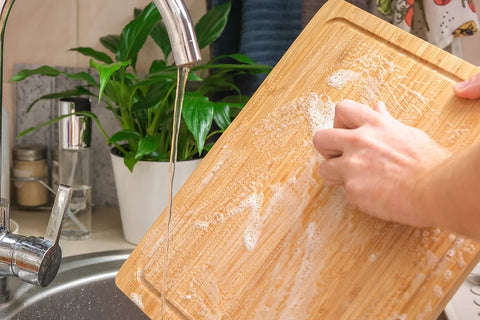
Keeping your Japanese bamboo kitchen utensils in top condition isn't just about maintaining their beautiful aesthetic. It's also about maximizing their lifespan and ensuring they remain hygienic for food preparation.
Here's a comprehensive guide to caring for your bamboo utensils.
Clean Bamboo: Embrace the Power of Handwashing
Unlike their metal or plastic counterparts, bamboo products should never venture near the dishwasher. The harsh detergents and extreme heat can damage the natural fibers, leading to warping, cracking and a diminished lifespan.
Instead, gentle handwashing is the way to go. Use warm, (mild) soapy water and a soft sponge to remove any food particles. Avoid using abrasive scrubbers, as they can scratch the bamboo's surface. For tougher messes, you can soak your bamboo tools for a short period, but never leave them submerged for extended durations.
The Art of Drying Your Bamboo Utensils
While bamboo boasts natural moisture-resistance, proper drying is crucial to prevent warping and the growth of mold. After handwashing, thoroughly dry your bamboo tools with a clean dish towel. Leaving them to air dry on a well-ventilated drying rack is ideal.
Avoid storing bamboo while even slightly damp, as this can lead to unpleasant odors and potential discoloration.
Conditioning for Longevity: Keeping Bamboo For Years & Years
Over time, exposure to water and regular use can dry out bamboo slightly.
To maintain its natural shine and prevent cracks, you can condition your bamboo tools with food-grade mineral oil every few months. Apply a thin layer of oil with a soft cloth, buffing it gently into the bamboo. Let it sit for a short while before wiping off any excess oil with a clean cloth.
This simple process will not only revitalize the appearance of your bamboo tools but also extend their lifespan.
Finding the Perfect Home: Storing Bamboo Utensils
When it comes to storage, choose a cool, dry location for your bamboo tools. Avoid storing them in damp areas or directly next to your stove or oven, as excess heat can cause warping.
Leaving bamboo kitchen tools in a well-ventilated drawer or cupboard is ideal.
By following these simple yet effective care practices, you'll ensure your Japanese bamboo kitchen companions remain beautiful, functional and hygienic for years to come!
Experience The Durability And Versatility Of Bamboo In the Kitchen & Beyond
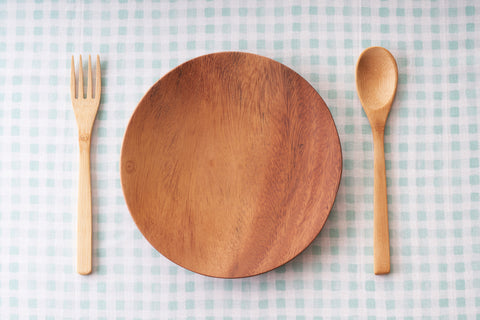
As you can see by now, bamboo is a popular material in Japan for kitchen utensils and much more – with good reason, and many of them!
Bamboo’s prevalence in nature in Japan translates to its dominance among kitchen utensils.
Whether you’re cooking a Japanese meal, rolling sushi, doing a Japanese tea service or even cleaning the dishes afterwards, bamboo kitchen utensils cover all your needs.
Do you use bamboo tools or gadgets at home? Have you cooked or cleaned with bamboo before? Share your experiences with bamboo in the comment box below.


0 comments