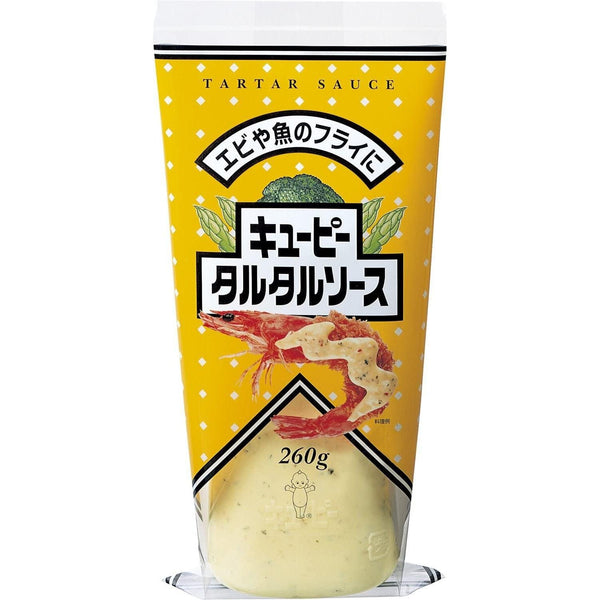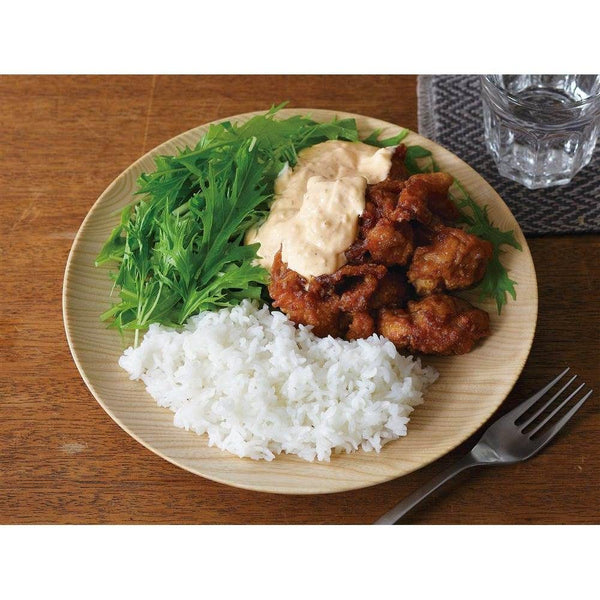
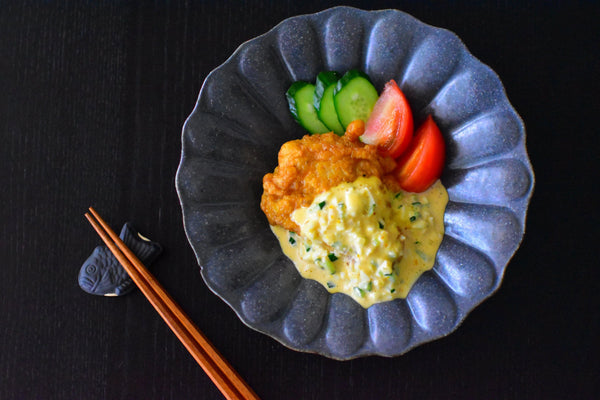
Chicken Nanban is a celebrated regional specialty originating from Miyazaki Prefecture, nestled in the scenic southern part of Kyushu, Japan. What has transformed this local dish from a regional secret into a nationwide obsession is its impeccable and addictive "triple threat" of flavors: succulent chicken, a tangy sweet vinegar glaze known as nanban-su, and a rich, chunky tartar sauce. This harmonious blend of sweet, sour, and creamy elements pairs exquisitely with deep-fried juicy chicken, creating a dish that serves as the ultimate, irresistible companion to Japan’s most fundamental culinary staple—steamed white rice.
The fascinating history of Chicken Nanban dates back to the 1950s during the Showa era, a time of great culinary experimentation in Japan. It was originally conceived in Nobeoka City, not as a glamorous or expensive menu item, but as a humble makaonai (staff meal) provided by an employer at a popular Western-style restaurant called "London." In its earliest and most basic form, the dish was quite simple, consisting of fried chicken breast that was immediately soaked in a refreshing sweet vinegar marinade to ensure the lean meat remained moist and tender. However, as the dish evolved and migrated into the kitchens of other restaurants, such as the famous "Ogura," it underwent a culinary transformation. The addition of a generous, creamy topping of handmade tartar sauce became the new standard, effectively defining the decadent and iconic version of Chicken Nanban that we recognize and crave today.
The name of the dish itself invites us to explore Japan’s deep historical and global connections. The word “Nanban” carries multiple layers of cultural meaning; historically, it referred to the "Southern Barbarians," a term used for the Portuguese and Spanish explorers and their exotic culture when they first arrived in Japan centuries ago. Chicken Nanban is named after their lasting culinary influence—specifically the Mediterranean technique of frying meat or fish and then preserving or seasoning it in a vinegar-based marinade, a method scientifically known as escabeche. In the context of a modern Japanese kitchen, “Nanban” has also come to refer to the aromatic inclusion of red chili peppers or Japanese leeks. This rich linguistic heritage is clearly evident in other traditional favorites like “Curry Nanban” and “Nanban-zuke,” illustrating how ancient foreign influences have been seamlessly woven into the very fabric of Japanese taste.
In the present day, Chicken Nanban has successfully transcended its regional roots in Miyazaki to become a beloved household name throughout the entire Japanese archipelago. It is a versatile dish enjoyed across all generations, frequently appearing on cozy dinner tables at home, in upscale specialty restaurants, and even as a highly anticipated highlight on school lunch menus. Its meteoric rise in nationwide popularity was significantly accelerated by the omnipresence of convenience stores and major bento shop chains. By adopting Chicken Nanban as a signature, high-demand menu item, these outlets ensured that this comforting southern flavor could be enjoyed by anyone, at any time, anywhere from the northern tip of Hokkaido to the tropical islands of Okinawa.
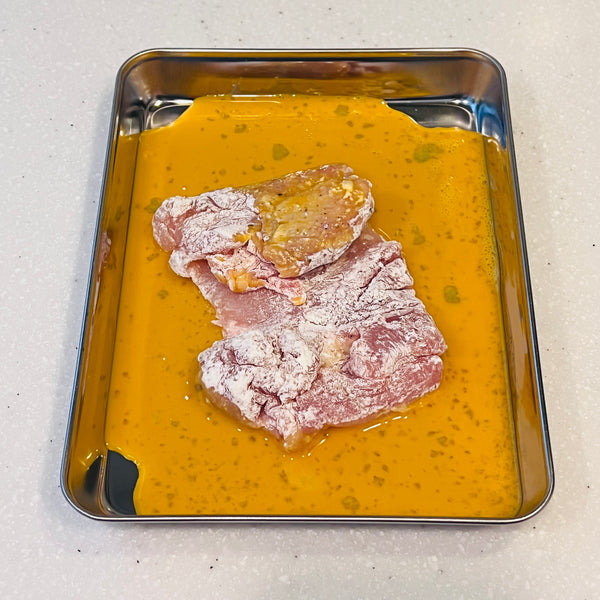
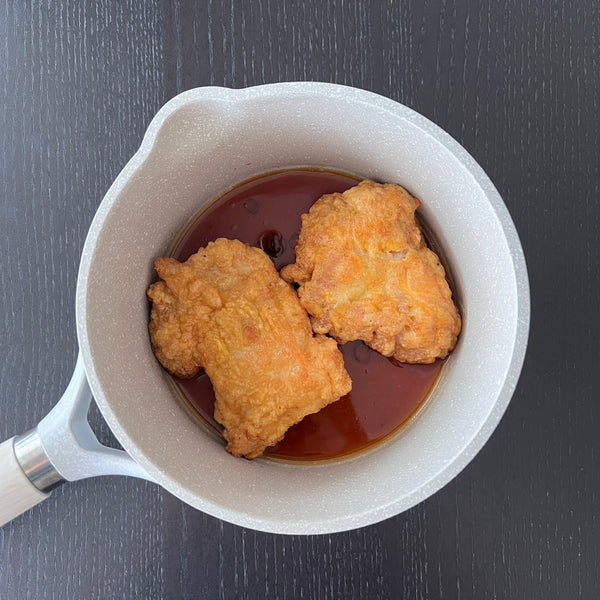
For those unfamiliar with the nuances of Japanese fried chicken, it is crucial to note that Chicken Nanban is fundamentally different from Karaage or Chicken Katsu, particularly in its unique surface texture. While Karaage and Katsu are prized for their dry, crunchy, and glass-like crispy exteriors, the exterior of Chicken Nanban is distinctively soft, velvety, and supple. This is achieved through a specific preparation using a rich egg-based batter rather than just flour or breadcrumbs. When the hot, deep-fried chicken is removed from the bubbling oil, this porous egg batter acts exactly like a sponge, immediately and aggressively absorbing the sweet vinegar sauce. This rapid absorption process creates a tender, juicy, and flavor-saturated crust that sets it apart from every other fried chicken dish found in the global culinary world.
To truly master this dish in your own kitchen, the ultimate secret lies in the precise timing of the soaking. You must submerge the chicken into the vinegar marinade while it is still sizzling hot from the fryer; this heat differential allows the fibers of the batter and meat to pull the flavors deep into the core. Additionally, the tartar sauce serves as much more than just a decorative garnish; its rich, creamy fattiness provides a necessary counterweight to the sharp acidity of the vinegar, creating a perfectly rounded and sophisticated flavor profile. While the multiple components might make it seem like a complex undertaking, making authentic Chicken Nanban is actually much easier and more deeply rewarding than you might initially think. With just a few simple, focused steps, you can recreate this genuine Miyazaki experience and bring a deep, satisfying taste of Japanese tradition to your dinner table tonight!
Instructions
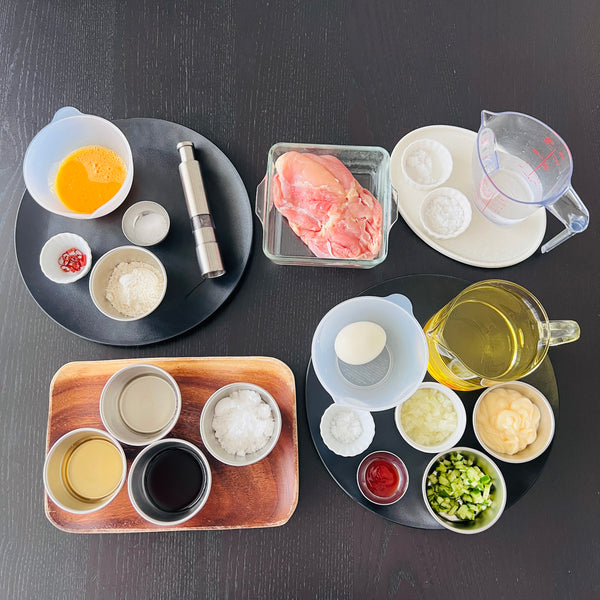
1) Gathering the Ingredients
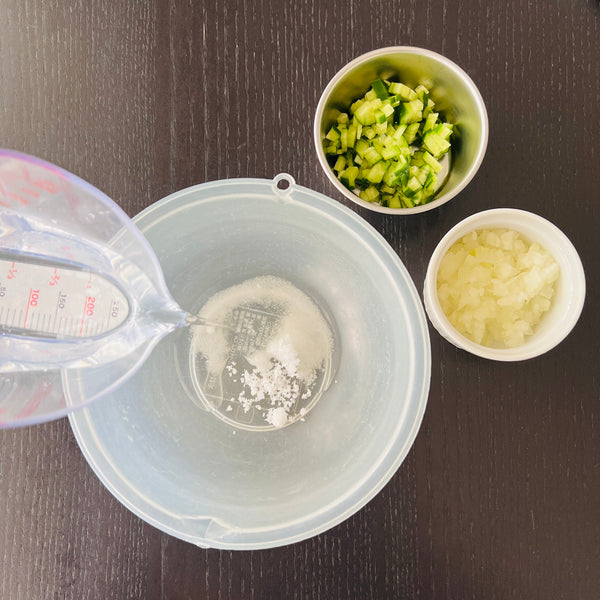
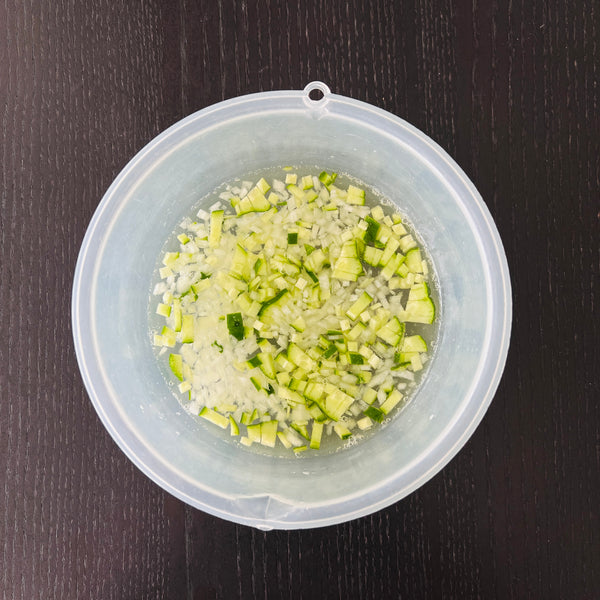
2) Quick Pickling the Onions and Cucumbers
Expert's Tip
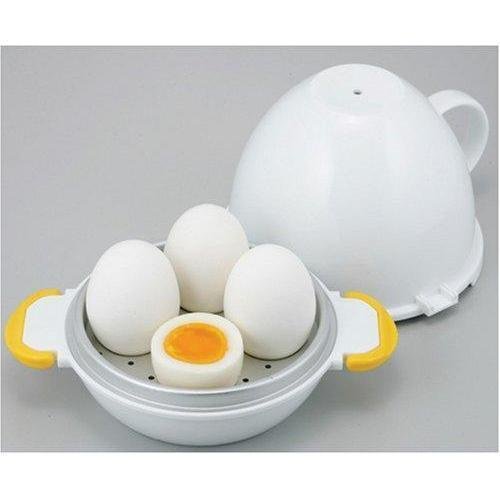
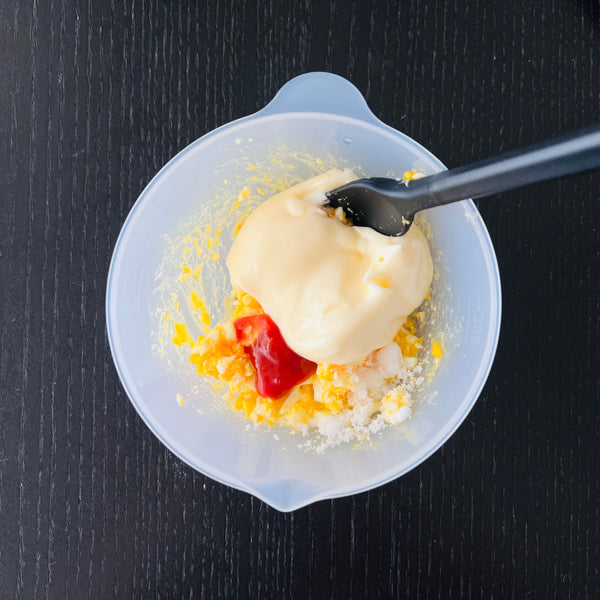
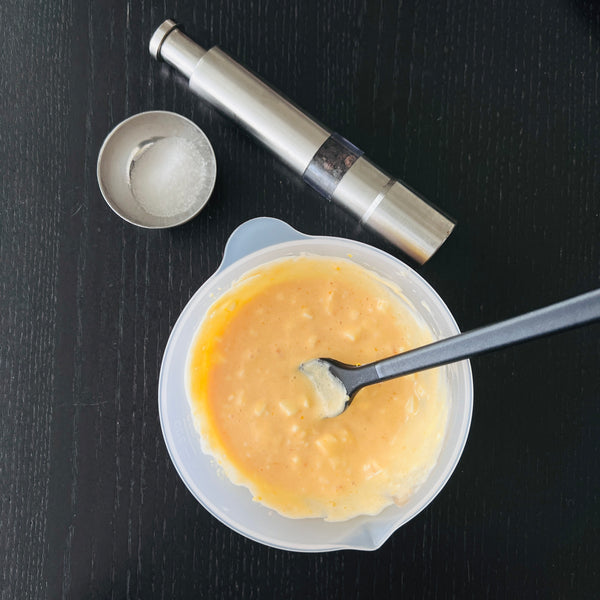
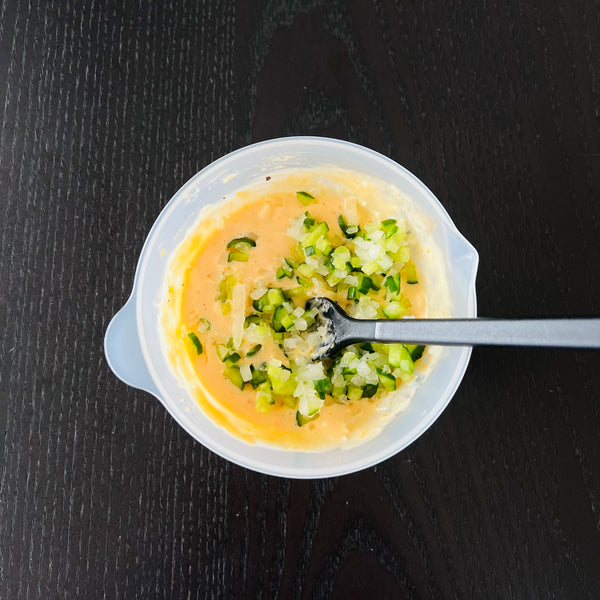
3) Making the Tartar Sauce
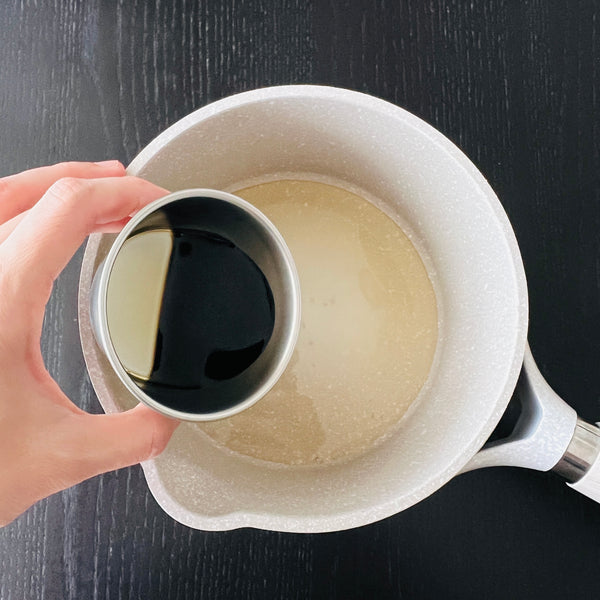
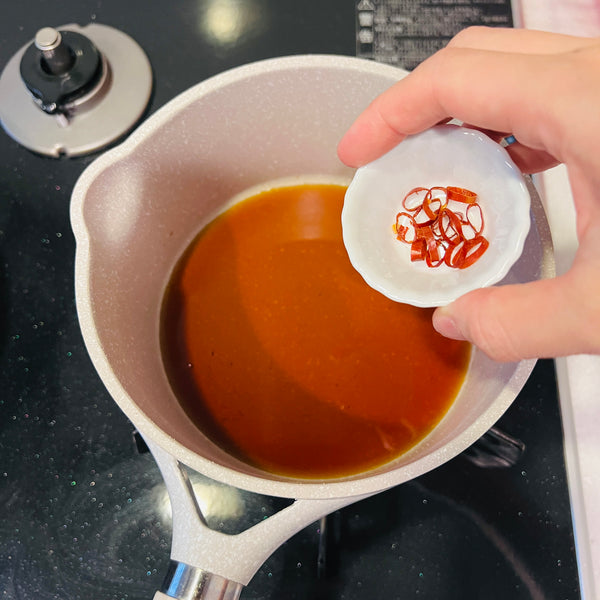
4) Preparing the Nanban Sauce
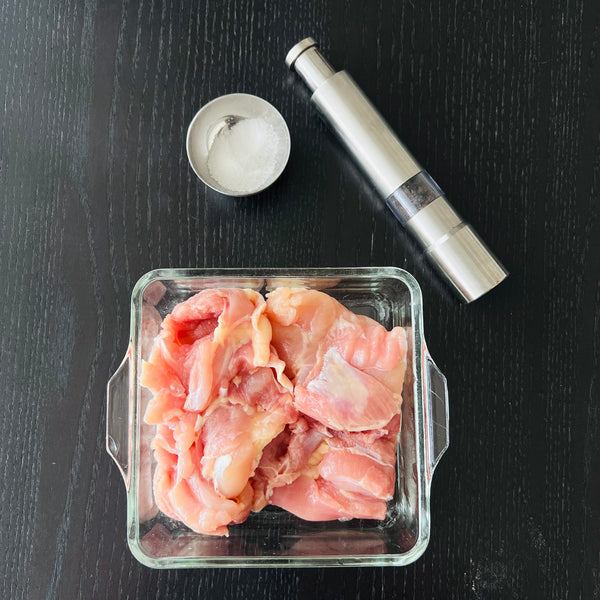
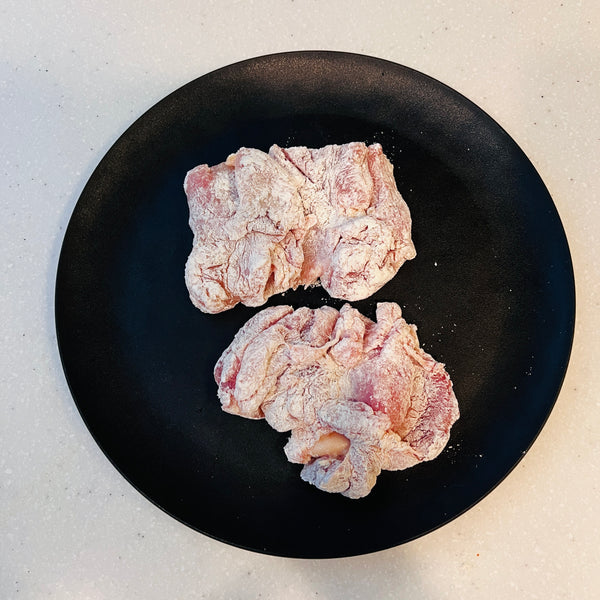
5) Battering the Chicken
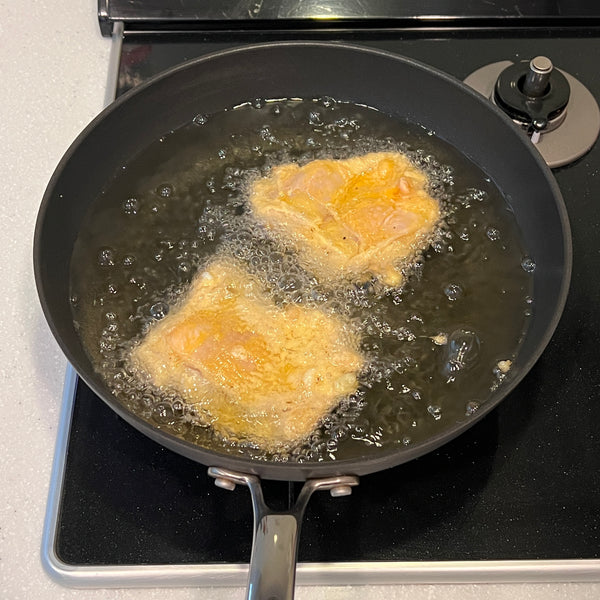
6) Frying the Chicken
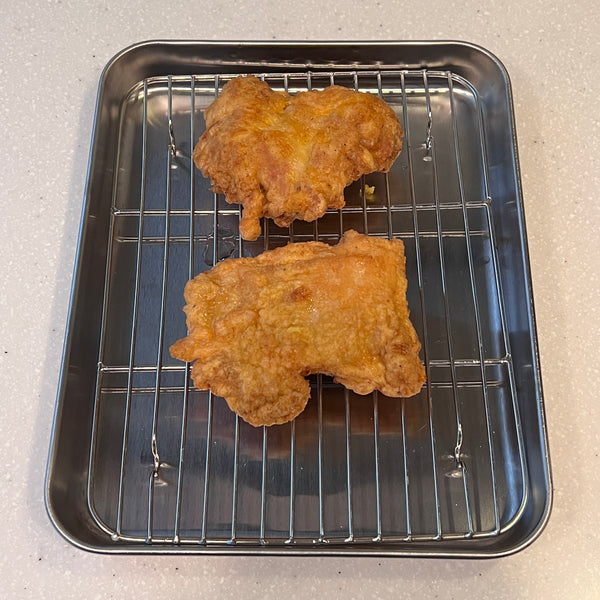
7) Coating the Chicken in Nanban Sauce
8) Serving the Chicken Nanban