
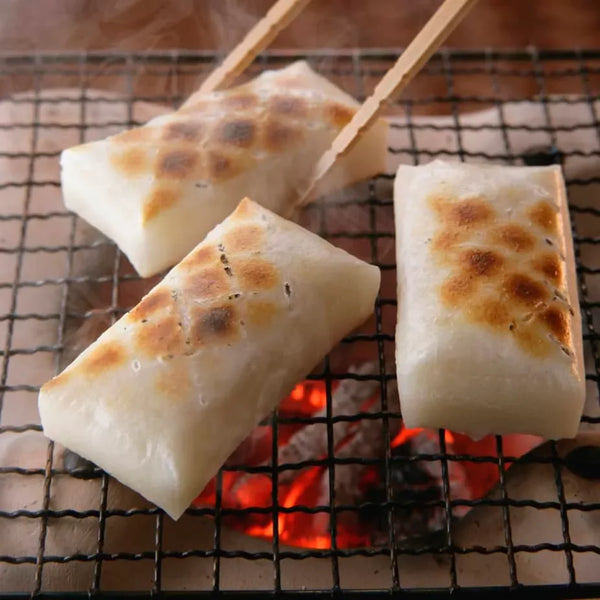
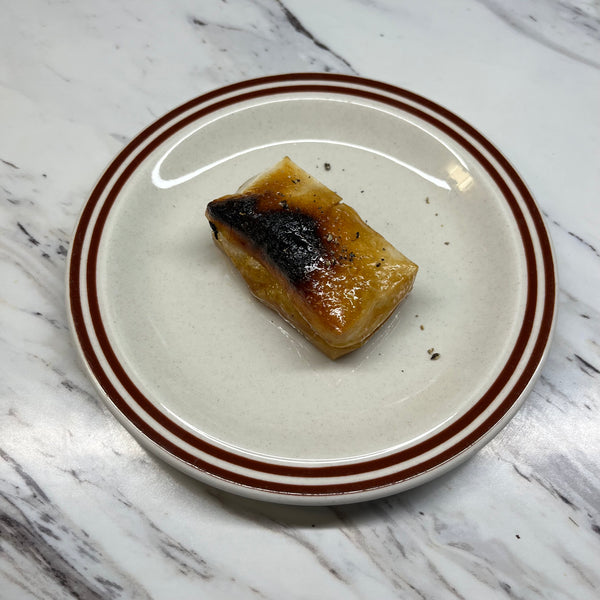
Yaki mochi, which translates literally to "grilled rice cake," is a beloved Japanese snack that has stood the test of time. It is celebrated for its remarkable simplicity, offering a satisfying sensory experience that few other treats can match. The magic of yaki mochi happens during the grilling process: as the soft, elastic mochi is exposed to heat, it undergoes a transformation, developing a distinctively crispy, golden-brown exterior that shatters slightly upon the first bite, while the inside remains incredibly tender, warm, and delightfully stretchy.
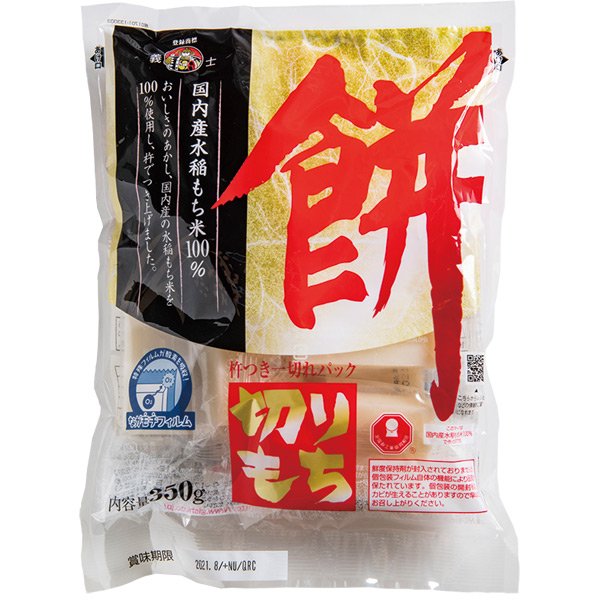
To understand this dish, one must distinguish between the ingredient and the preparation. While "mochi" refers to the plain, ungrilled cakes made from pounded glutinous rice, "yaki mochi" specifically denotes the version that has been kissed by fire. If you are a fan of the ungrilled variety, you might already enjoy Ichigo Daifuku with its fresh strawberries, decadent Chocolate Mochi, or the earthy elegance of Matcha Mochi and more. However, yaki mochi offers a completely different profile by introducing toasted, nutty aromas that plain mochi lacks.
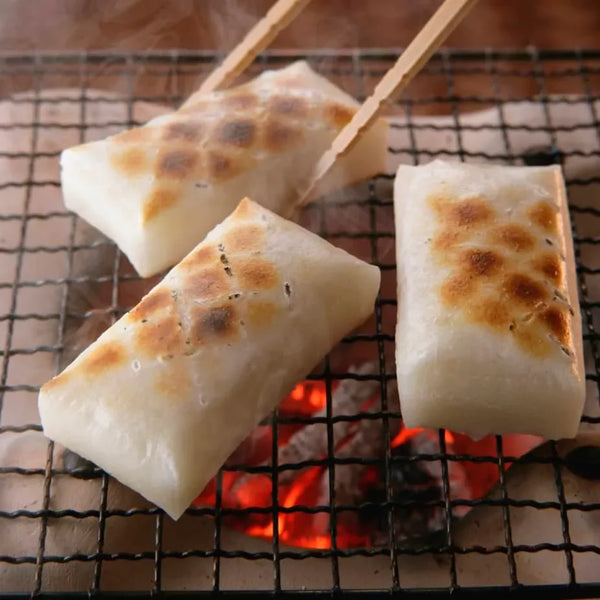
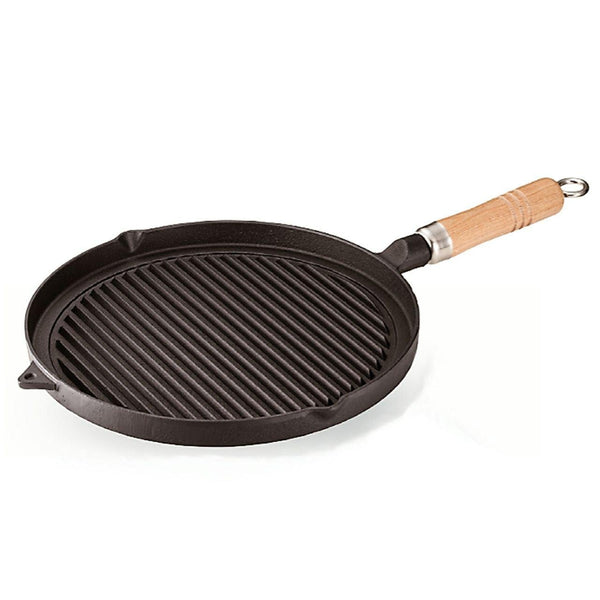
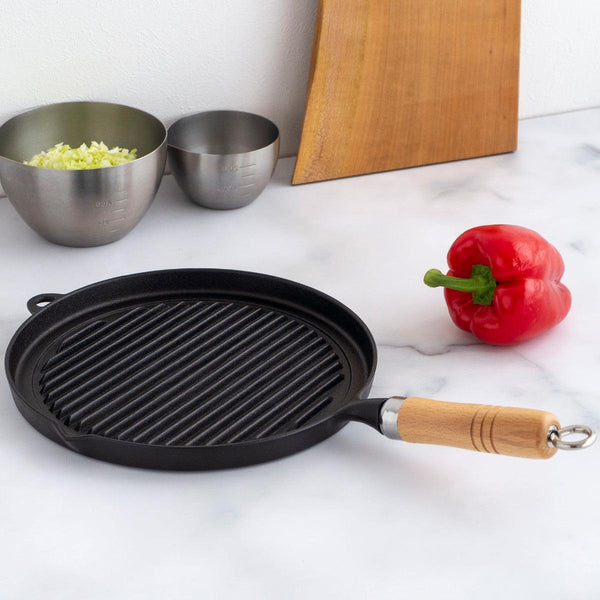
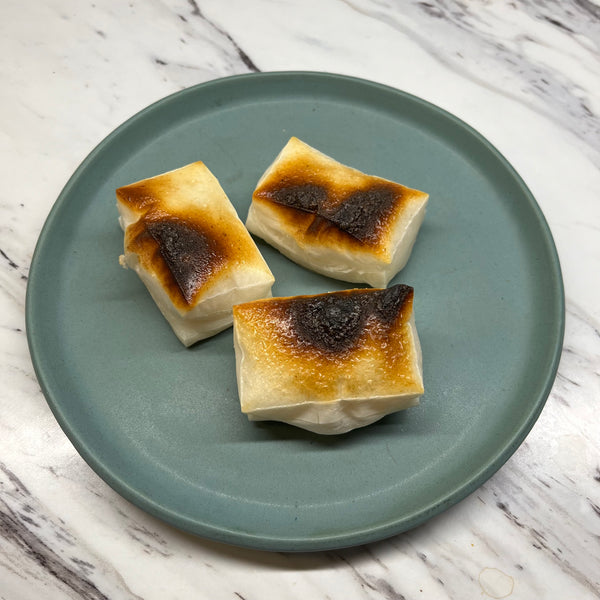
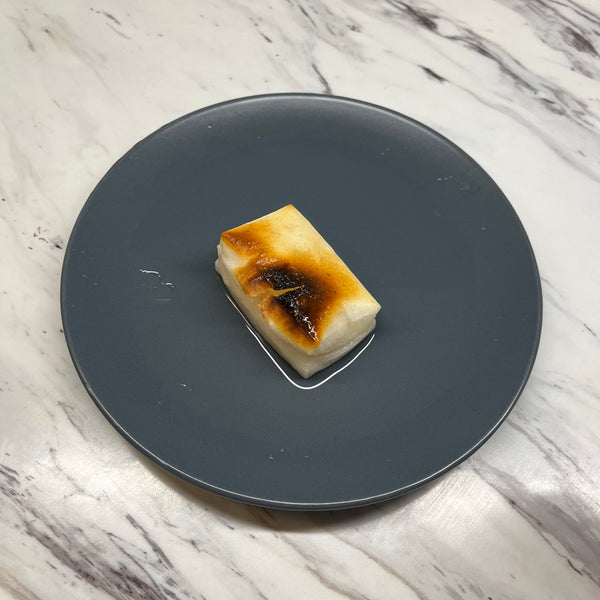
Yaki mochi stands out due to the contrast between its crispy outer layer and tender, chewy interior. Traditionally grilled over charcoal, it can now be toasted using modern appliances. The process involves medium heat to ensure even cooking without burning, and the mochi puffs up slightly when done.
Yaki mochi has deep roots in Japan’s farming culture, where rice was a staple food. Mochi was often made for special occasions, and grilling leftover rice cakes became a practical way to bring them new life. Over time, yakimochi became a symbol of comfort food, enjoyed during New Year celebrations and festivals.
The word "yaki" means "grilled," but it also translates to "jealousy" in Japanese, stemming from a traditional love-prediction game. In the game, two mochi are symbolically placed to represent a boy and a girl. As the mochi cook, their expansion indicates who will make the first romantic move, with the one that expands more representing the one who will take the lead in the relationship.
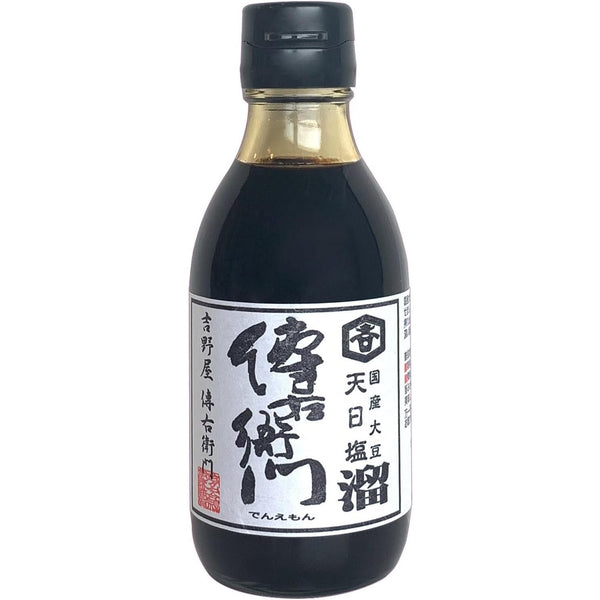
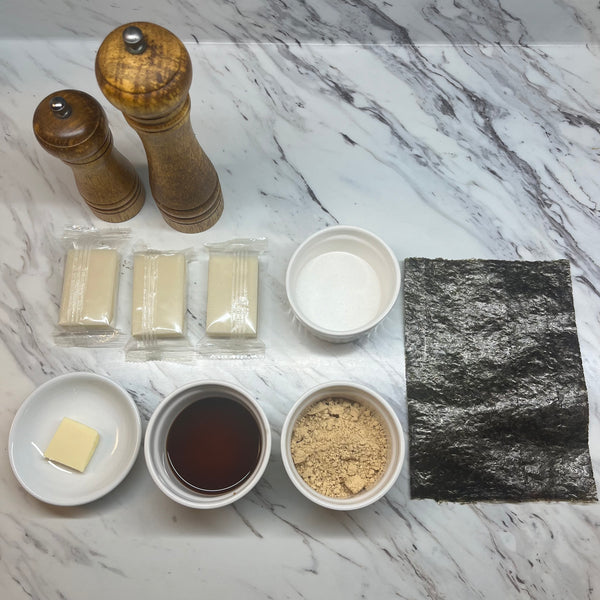
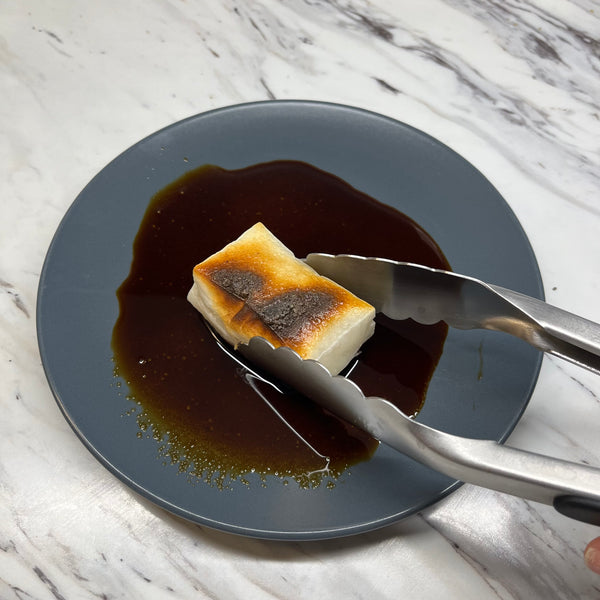
A basic version of yaki mochi uses just soy sauce brushed on the surface for a rich, salty flavor. Check out my recipe below and try these other variations to enjoy yaki mochi:
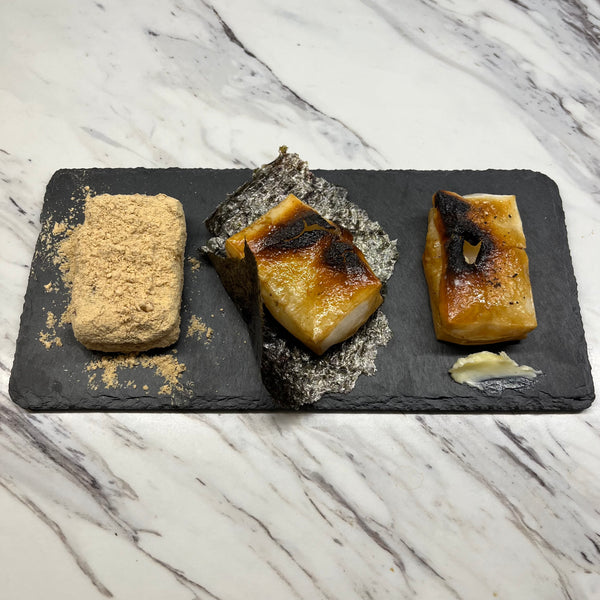
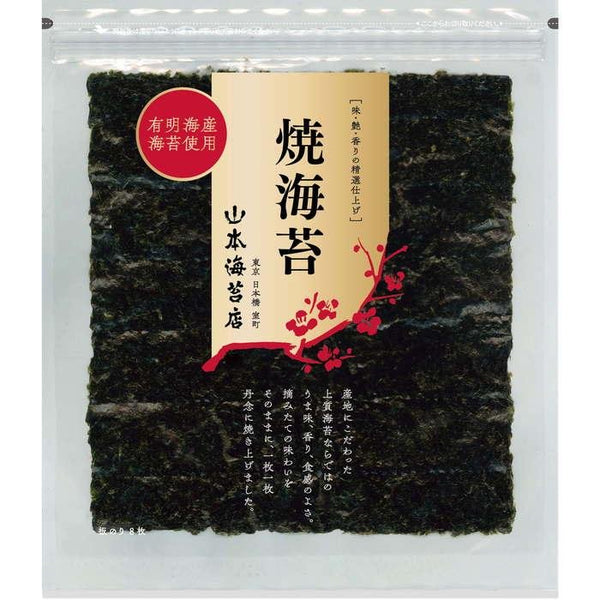
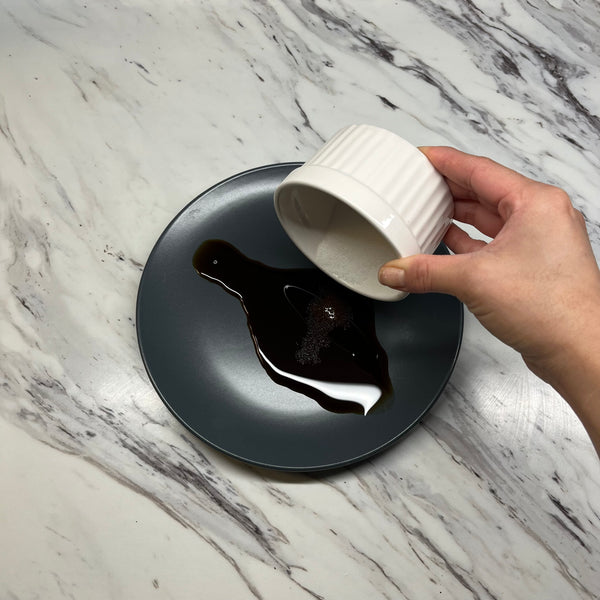
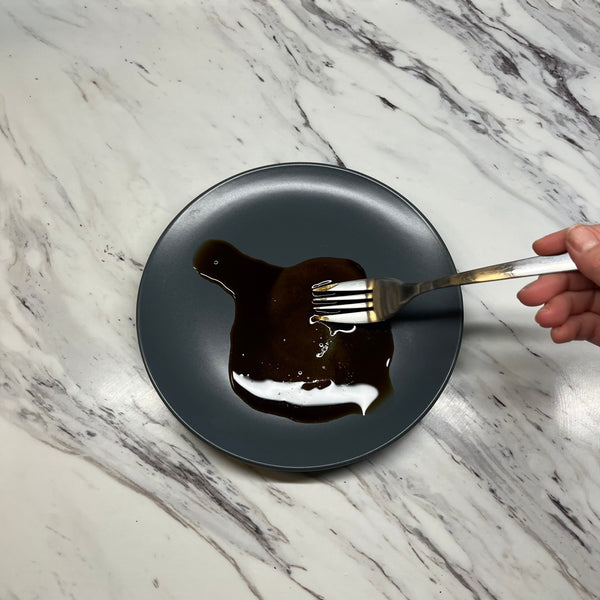
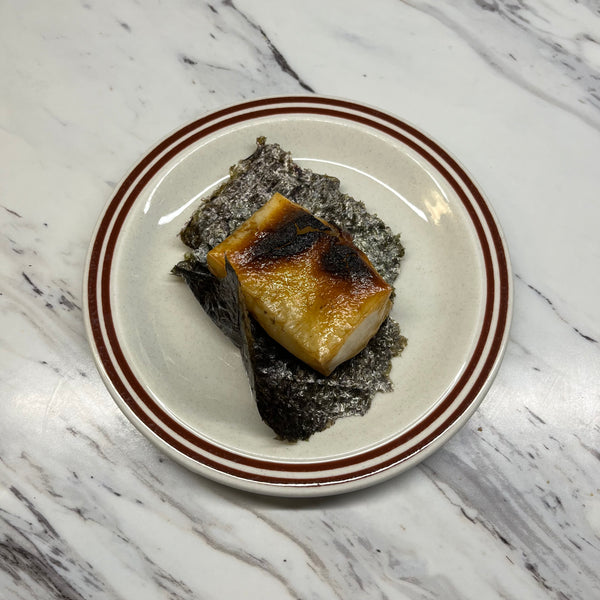
Isobeyaki: This is perhaps the most famous version. The mochi is dipped in a sweet-and-salty mixture of soy sauce and sugar, then wrapped in a crisp sheet of nori seaweed. The combination of toasted rice, umami-rich sauce, and sea-scented nori is truly addictive.
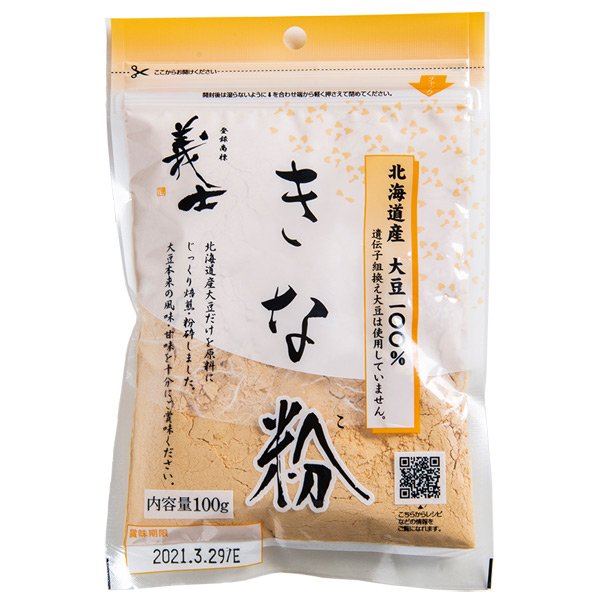
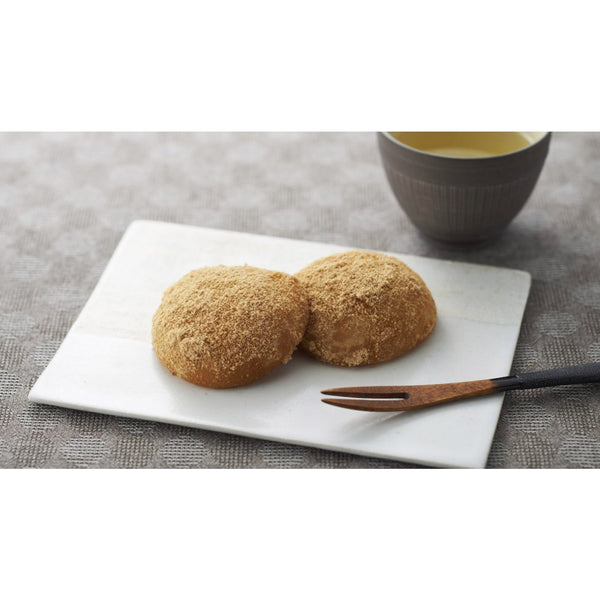
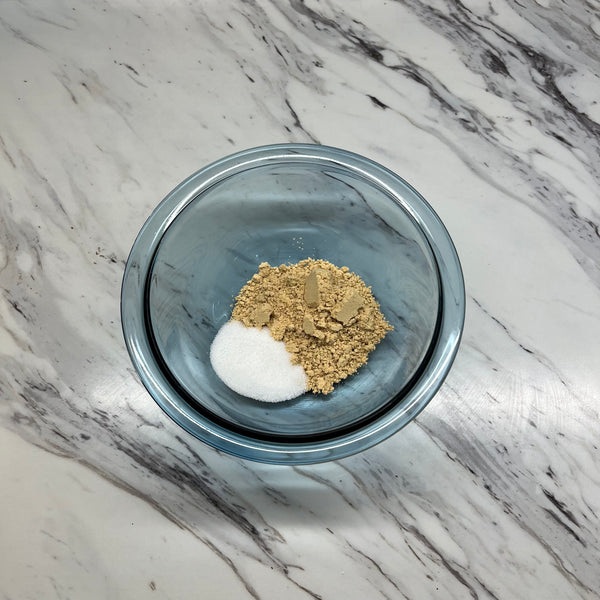
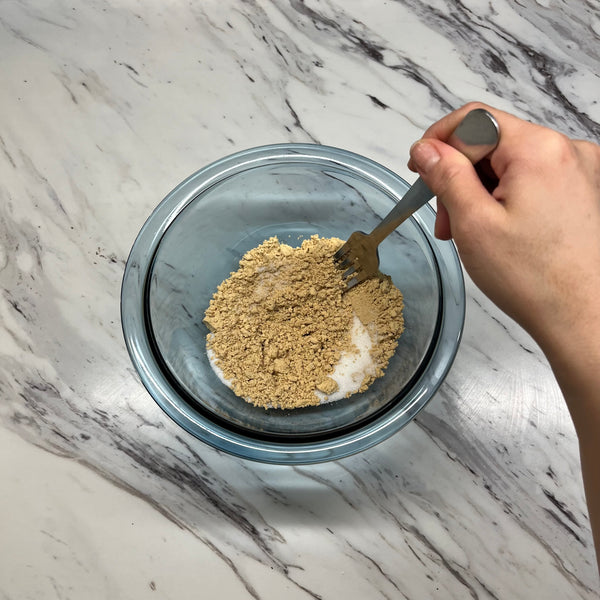
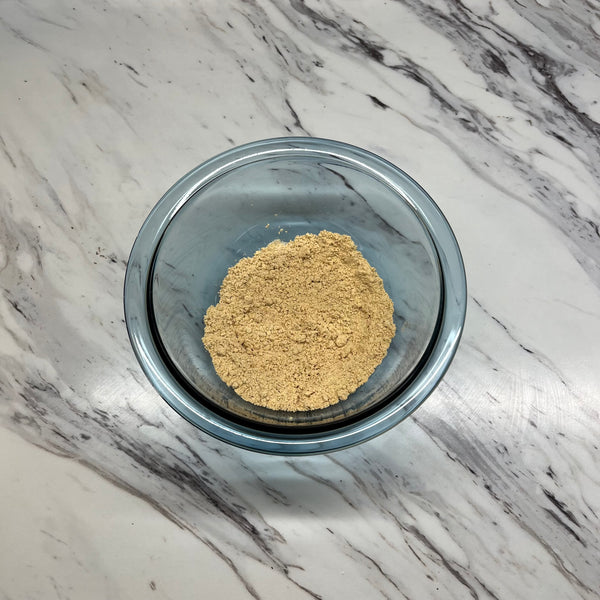
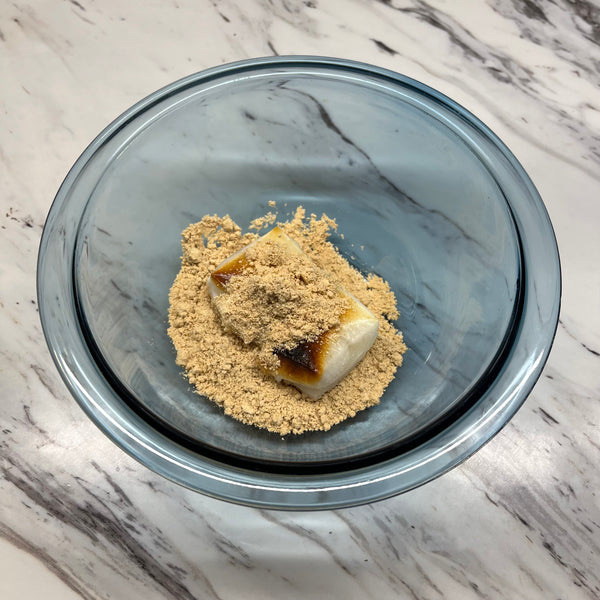
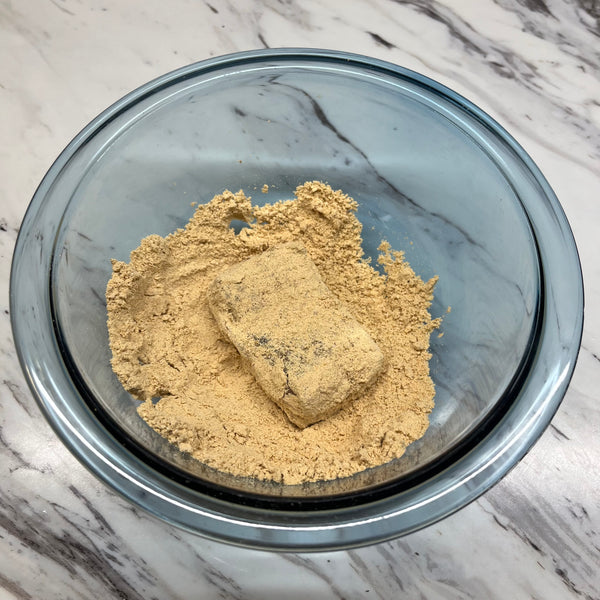
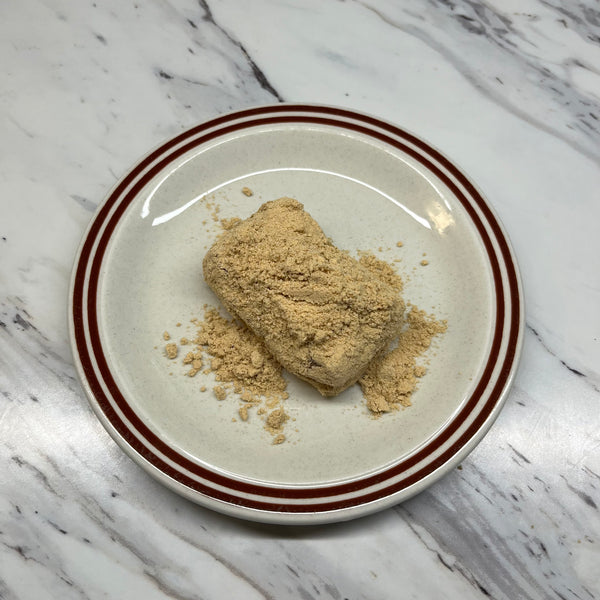
Kinako & Sugar: For those with a sweet tooth, the grilled mochi is rolled in a generous coating of roasted soybean powder mixed with sugar. This adds a nutty, almost peanut-butter-like flavor that melts into the warm rice cake.
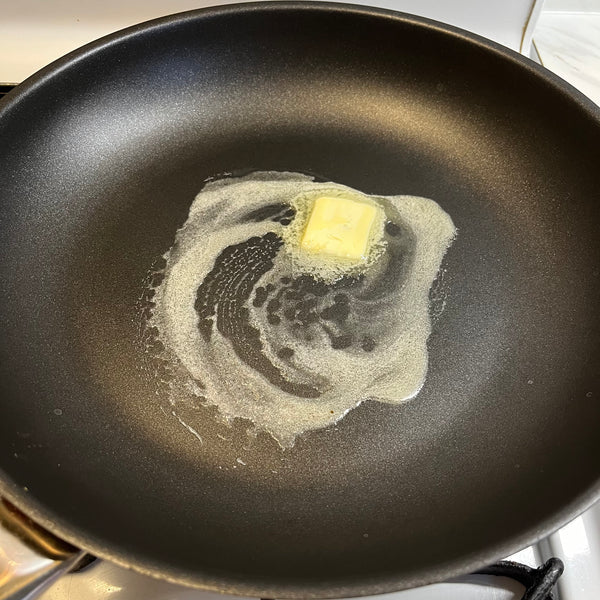
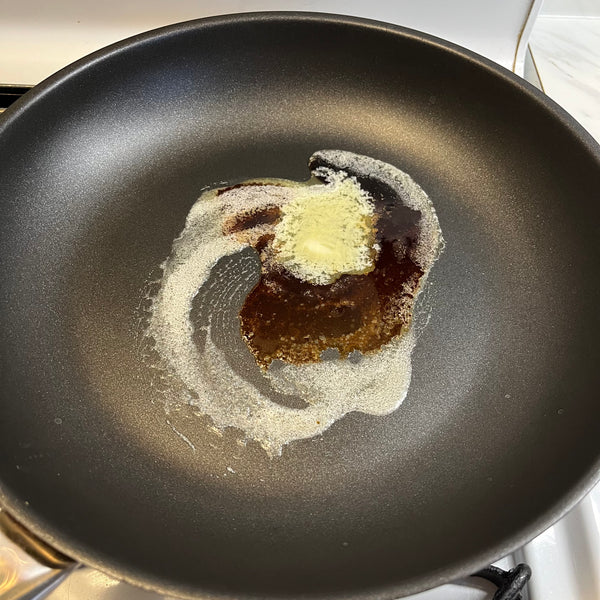
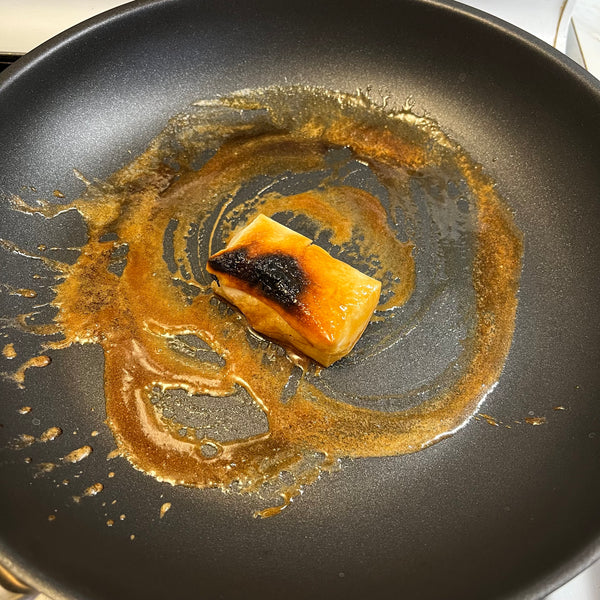
Butter Shoyu: A modern favorite! Grilling the mochi with a pat of melted butter and a splash of soy sauce creates a rich, western-fusion indulgence that is incredibly savory and satisfying.
With its rich history and versatility, yaki mochi continues to be a cherished Japanese snack enjoyed by people of all ages. Try these variations today and enjoy the delicious crunch and chewy goodness of yaki mochi at home!
Instructions
1) Gather the Ingredients
2) Toast the mochi
Expert's Tip:
3) Make the Kinako & Sugar Mochi
4) Make the Isobeyaki Mochi
5) Make the Butter Shoyu Mochi
6) Serve and Enjoy!