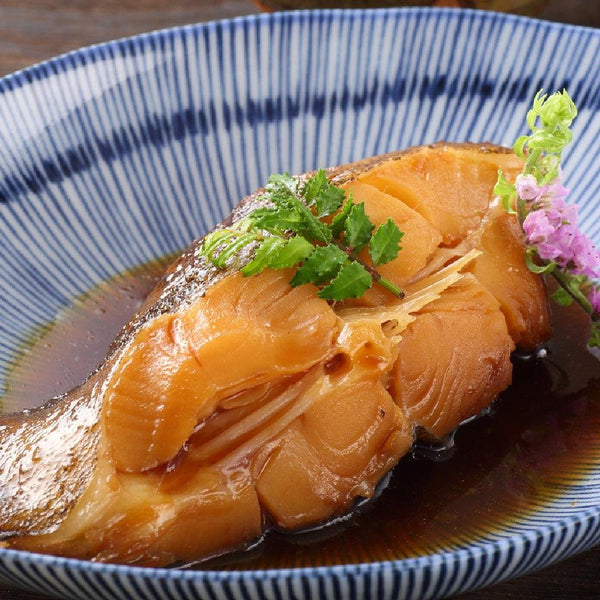

When drinking at an izakaya (Japanese pub), it’s customary to enjoy small dishes called otsumami. Derived from the word tsumami, meaning "to pick up," these bite-sized treats are designed for easy eating. Quick to prepare and packed with flavor, they make the perfect complement to your favorite alcoholic beverages.
The essence of dining at an izakaya is to enjoy lively conversations in a relaxed setting. As a result, the menu favors dishes that are served quickly, easy to eat, and perfect for leisurely, shared dining.
Unlike formal meals, izakaya dining does not follow a fixed structure. Dishes arrive gradually, drinks are ordered freely, and guests are encouraged to linger. Otsumami support this rhythm by being satisfying without feeling heavy, allowing people to snack and drink at a comfortable pace.
Otsumami are designed to enhance drinks rather than overpower them. Umami-rich flavors, balanced saltiness, and varied textures help stimulate the appetite while keeping the focus on conversation and enjoyment.
Texture plays an important role in otsumami. Crunchy fried foods, chewy grilled snacks, crisp vegetables, and soft dishes are often served together. Alternating between these textures keeps meals interesting and prevents palate fatigue.
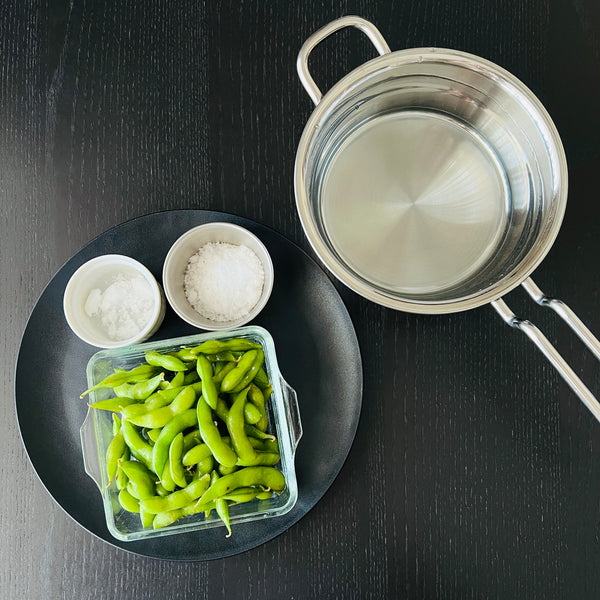
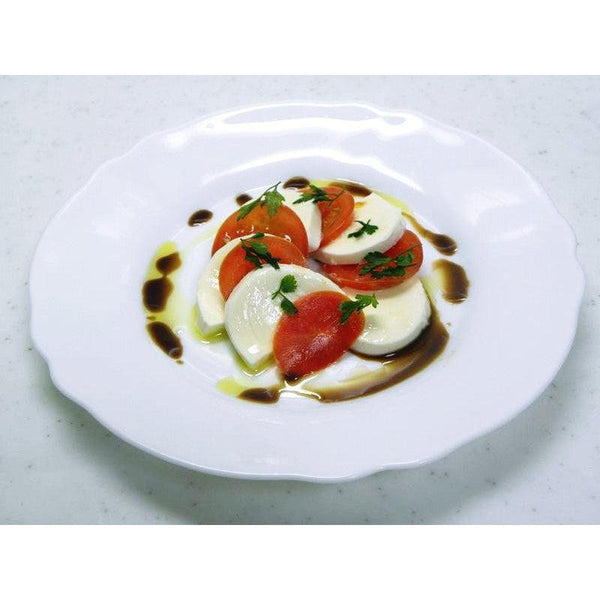
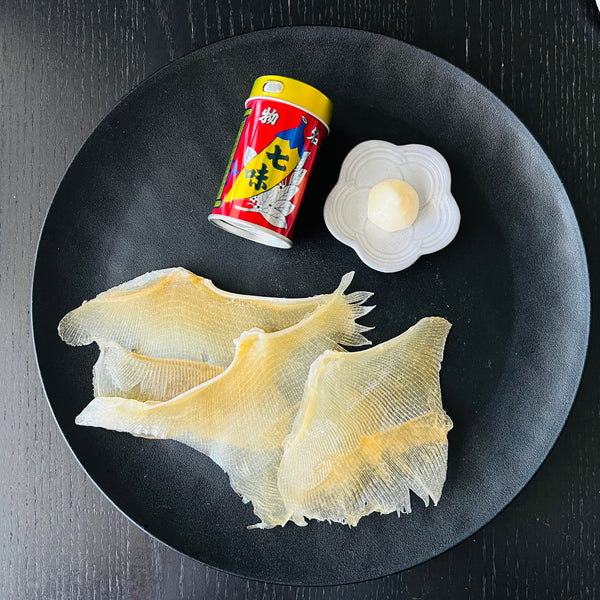
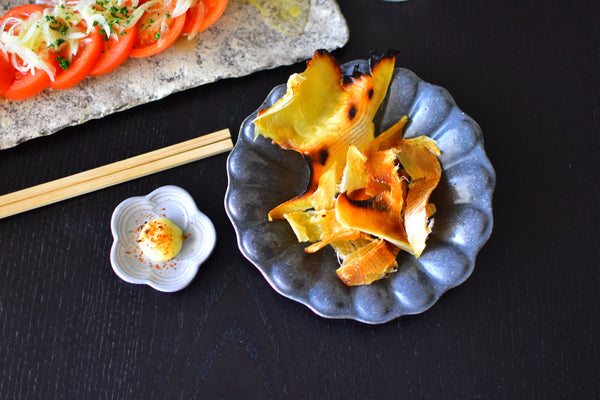
Some popular otsumami include karaage (Japanese fried chicken), eihire (grilled stingray fin), sliced tomato, edamame (boiled soybeans), gyoza (dumplings), yakitori (grilled chicken skewers), tsukemono (Japanese pickles), and Japanese potato salad.
Variety is another defining feature of otsumami. Frying, grilling, boiling, and marinating are all commonly used, ensuring that no single cooking method dominates the table.
Vegetable-based dishes help balance richer foods. Lightly seasoned cabbage, fresh tomatoes, and pickles refresh the palate between fried or grilled dishes, making it easier to enjoy multiple rounds of food and drinks.
Additionally, many izakayas offer their own unique dishes, as well as seasonal and local specialties, creating a dynamic and varied menu.
Seasonality plays an important role in izakaya menus. Ingredients change throughout the year, showcasing what is fresh at the moment and giving regular visitors something new to enjoy each season.
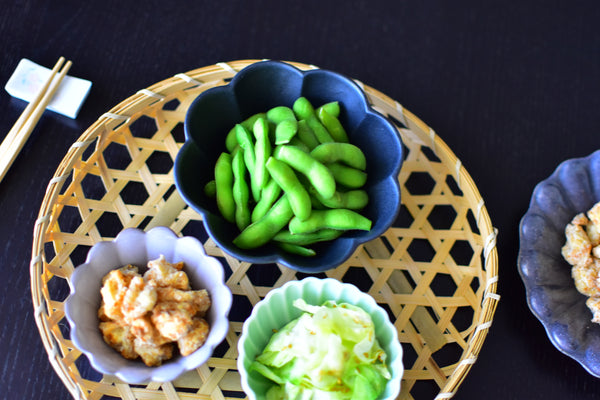
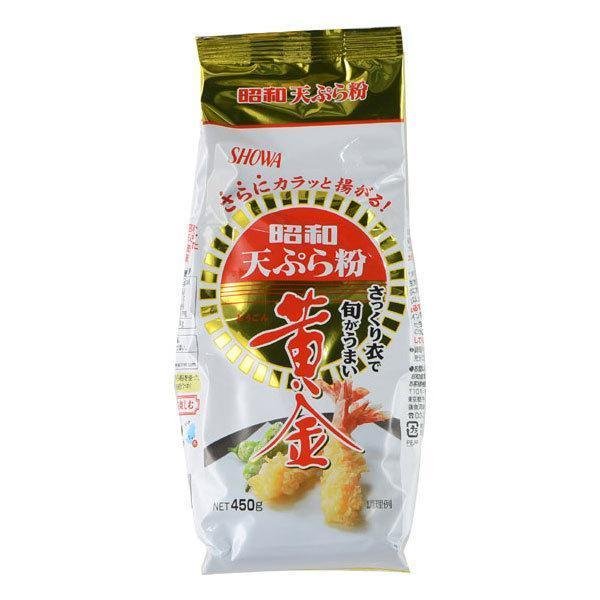
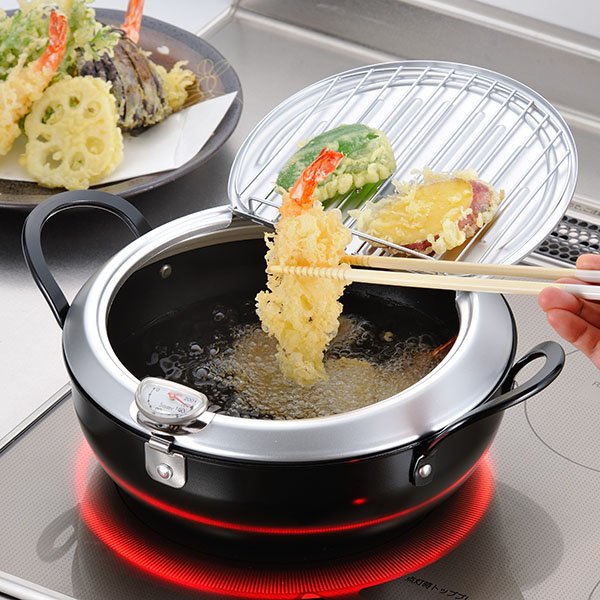
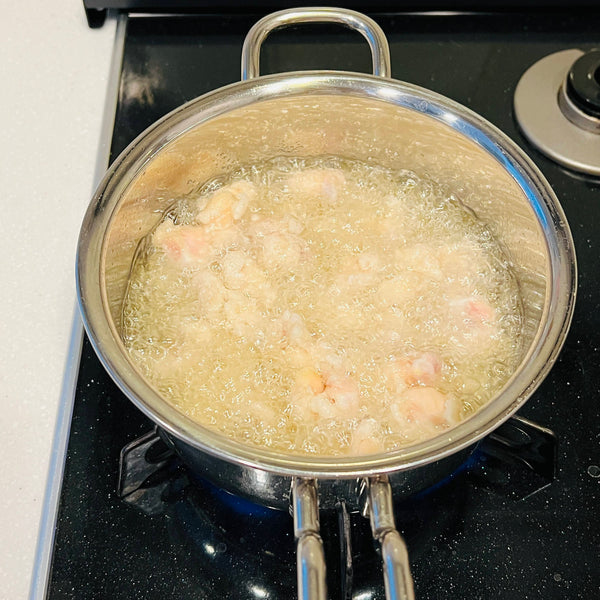
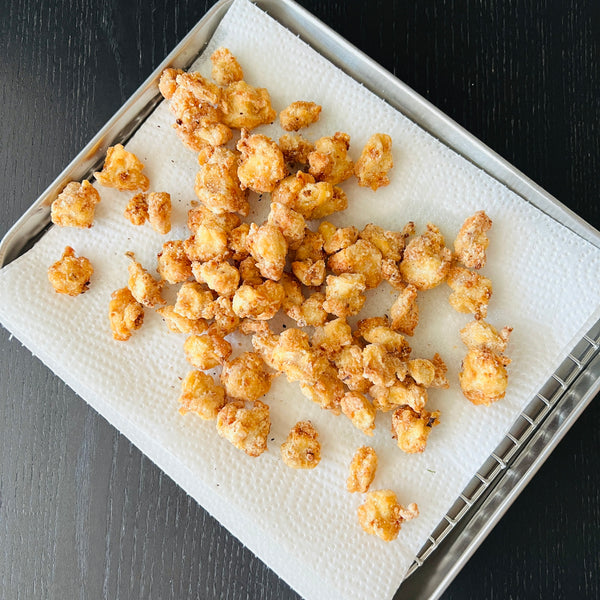
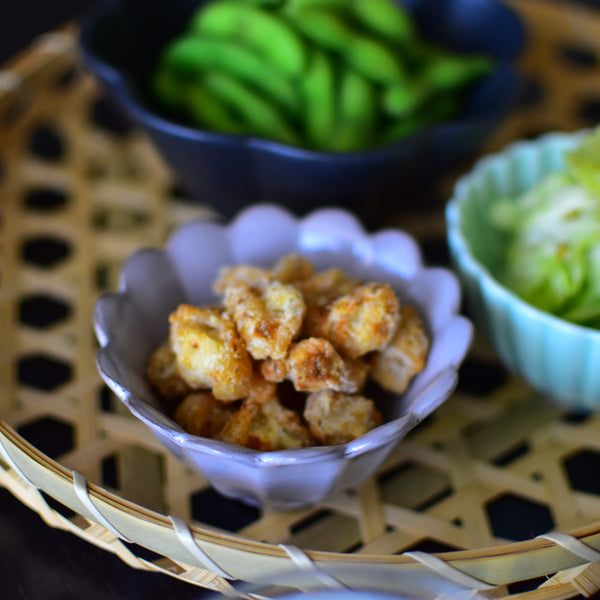
In this recipe, I’ve chosen a selection of popular izakaya dishes, including crispy fried nankotsu, savory grilled eihire, flavorful yamitsuki cabbage, refreshing sliced tomato salad, and classic boiled edamame. Each dish is easy to prepare and perfect for recreating the izakaya experience at home.
This combination reflects balance. Fried nankotsu brings crunch and richness, grilled eihire adds smoky depth, yamitsuki cabbage delivers bold seasoning, tomato salad offers brightness, and edamame provides simple comfort.
Otsumami are meant to be shared. Portions are typically small, encouraging everyone at the table to sample a wide range of flavors while keeping the atmosphere casual and social.
At home, otsumami are especially practical. Many dishes require minimal preparation and can be made in advance, making them ideal for relaxed gatherings or low-effort entertaining.
To complement these small dishes, izakayas typically serve beer, shochu, chuhai (a mix of shochu or vodka with fruit juice and soda), Japanese sake, and sometimes cocktails. One of Japan’s most popular alcoholic beverages, lemon sour, is made with shochu, lemon juice, and soda water, often with a bit of sugar or sweetener added.
Beer pairs well with salty and fried dishes, while shochu and chuhai complement grilled items and seasoned vegetables. Japanese sake pairs nicely with umami-rich foods and can be enjoyed warm or chilled depending on preference.
A typical izakaya dining experience begins with lighter otsumami like edamame or sliced tomatoes, often paired with a refreshing beer or chuhai. As the meal progresses, guests may move on to bolder drinks alongside heartier dishes such as karaage or yakitori.
There are no strict rules when it comes to ordering or pairing. Izakaya dining is flexible, personal, and centered on enjoyment rather than formality.
Even without traveling to Japan, recreating an izakaya-style spread at home allows you to enjoy the same relaxed atmosphere. With a thoughtful mix of dishes and simple preparation, it’s easy to bring the spirit of an izakaya to your own table.
Exploring different izakayas can be an exciting culinary adventure in Japan! But even if you’re not traveling, you can still recreate the izakaya experience at home with these recipes. What’s your favorite otsumami? Let us know in the comments!
Instructions
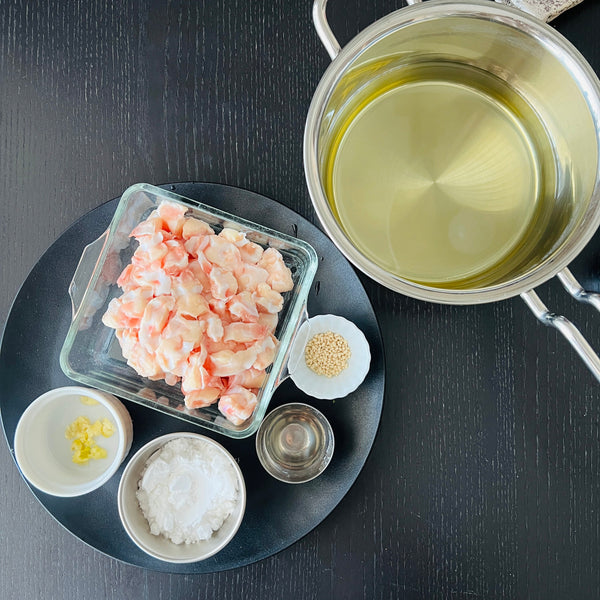
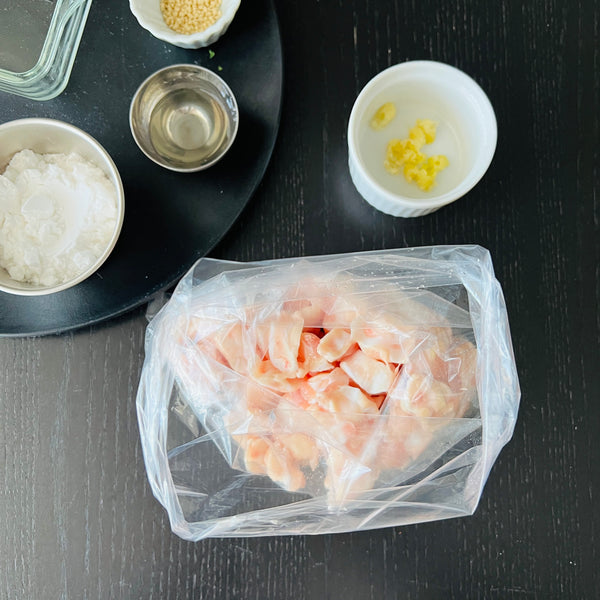
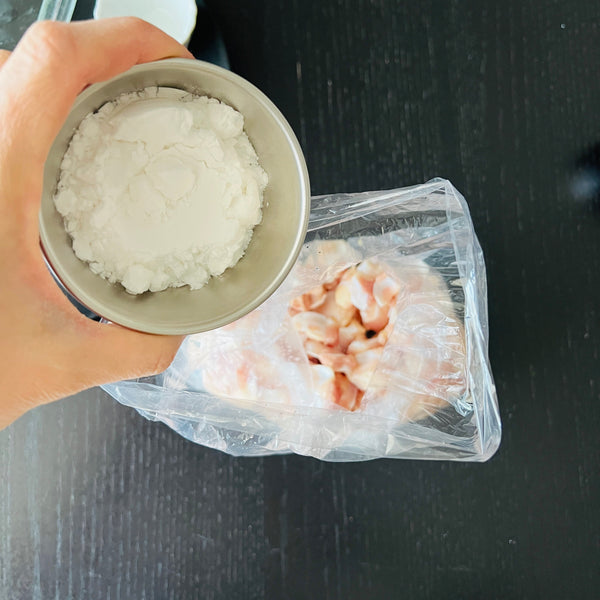
1) Fried Nonkotsu
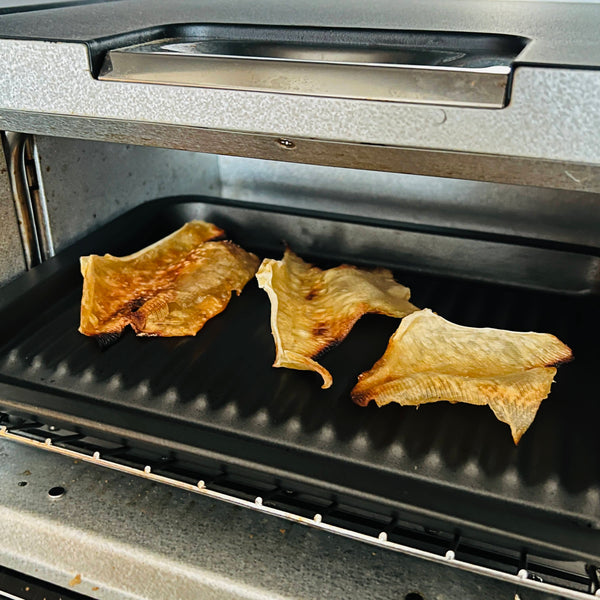
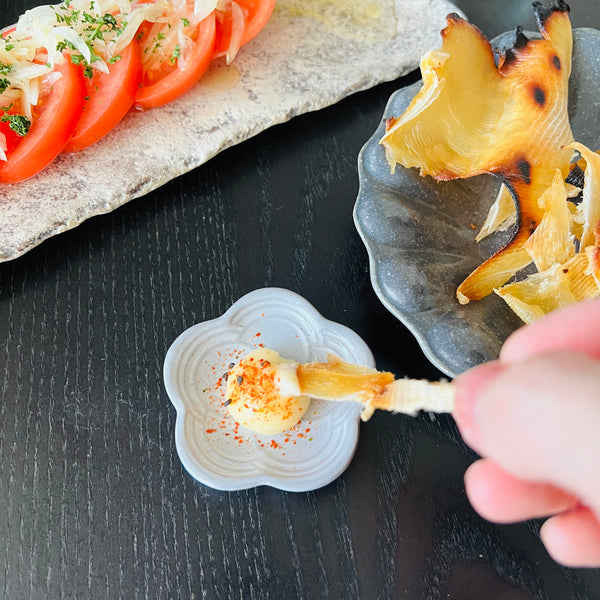
2) Grilled Eihire
Expert's Tip
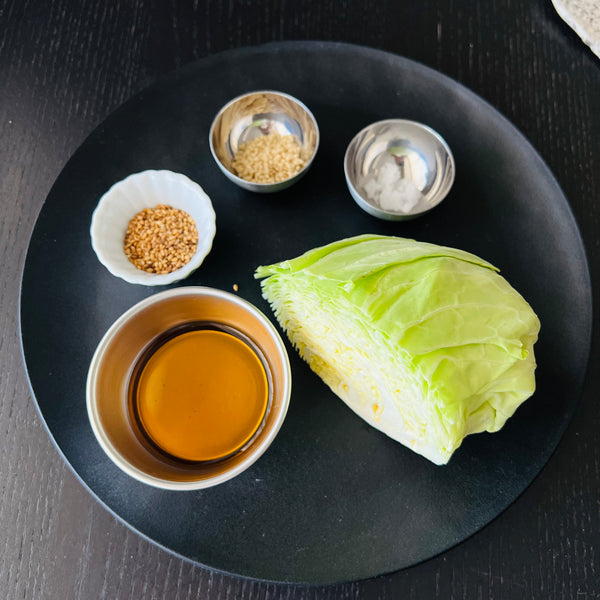
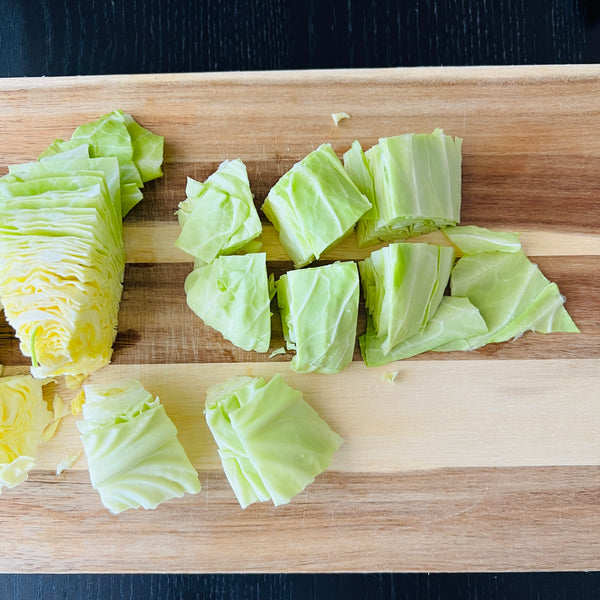
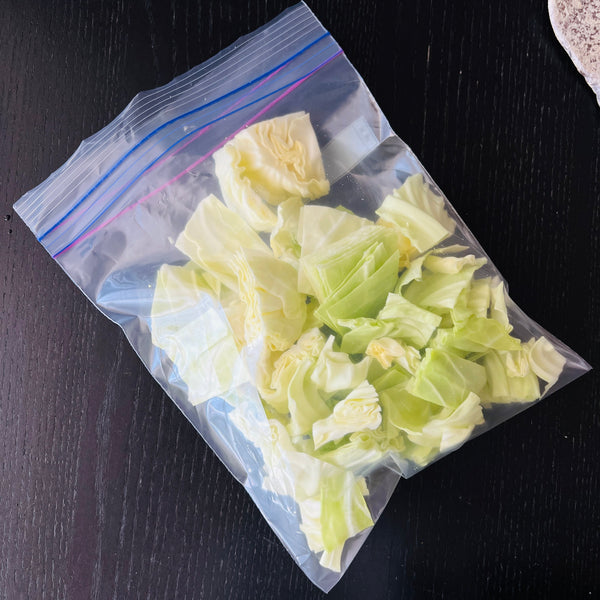
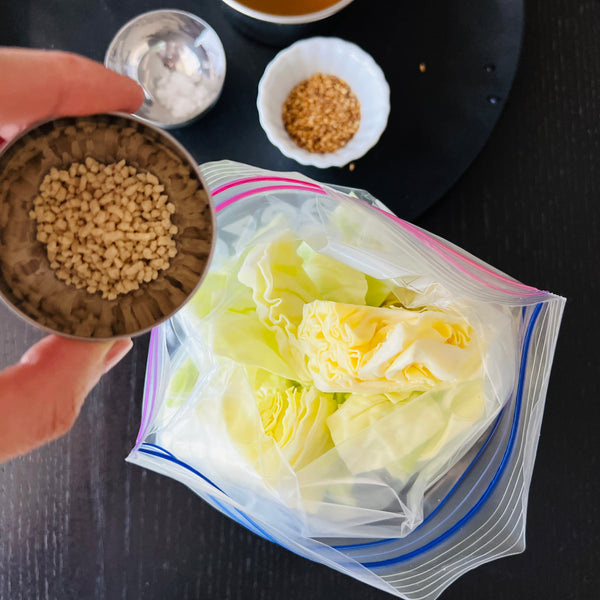
3) Yamitsuki Cabbage
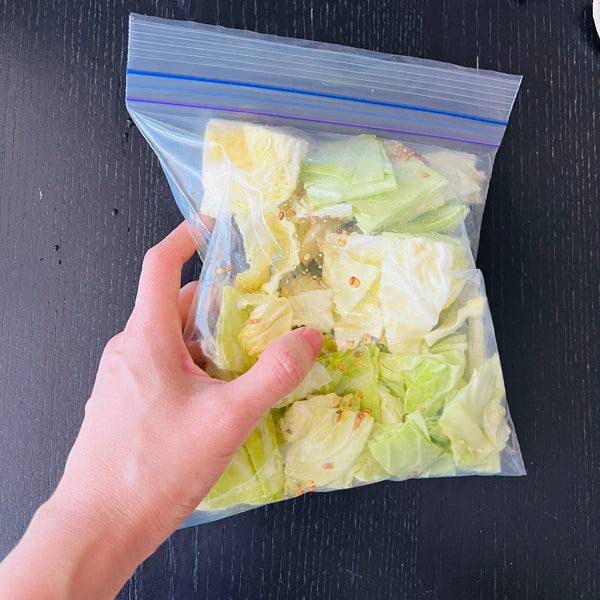
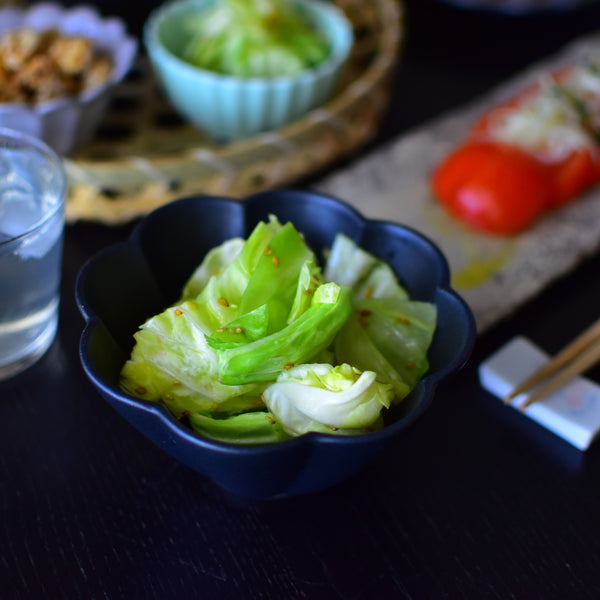
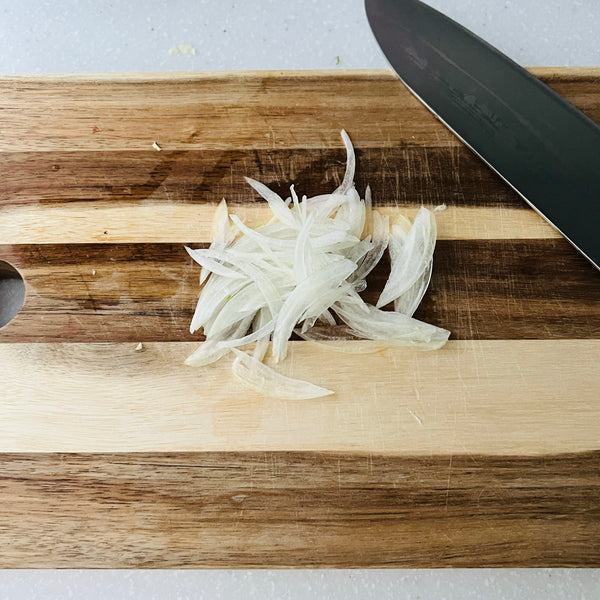
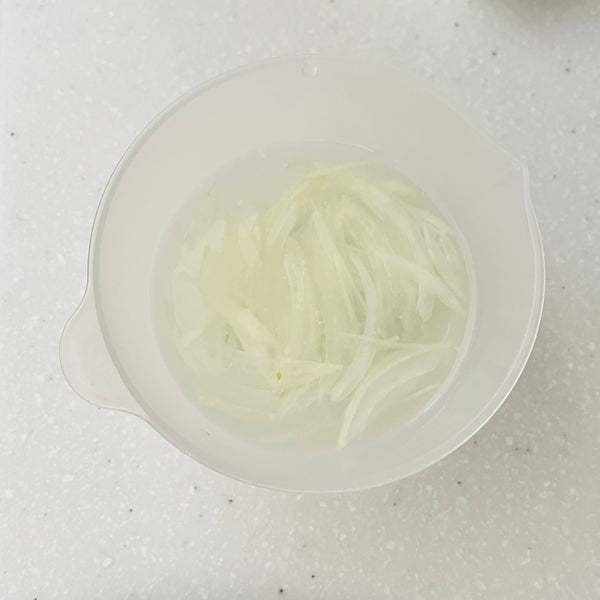
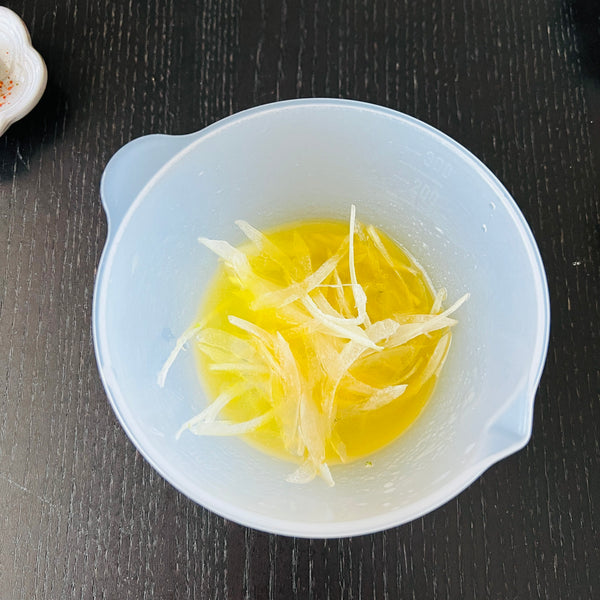
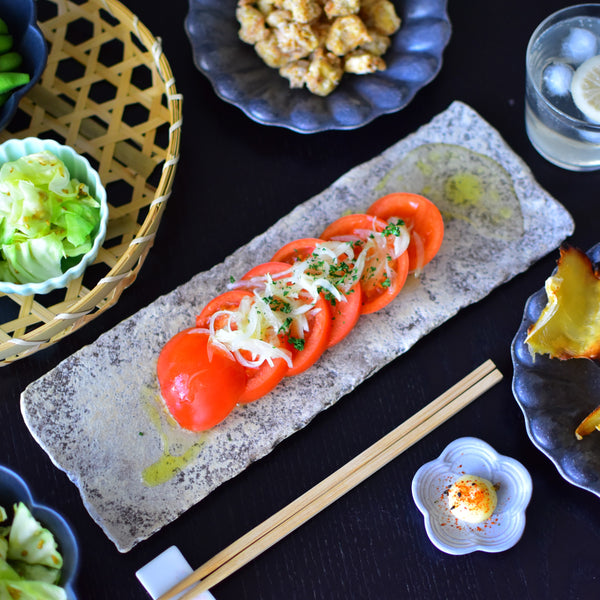
4) Sliced Tomato Salad
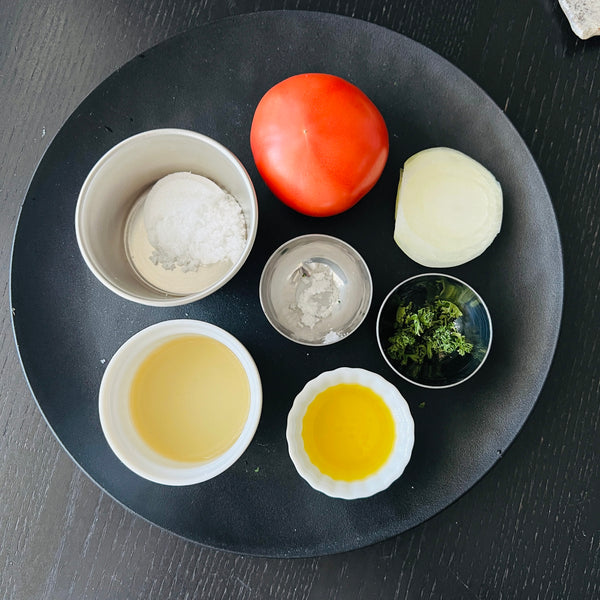
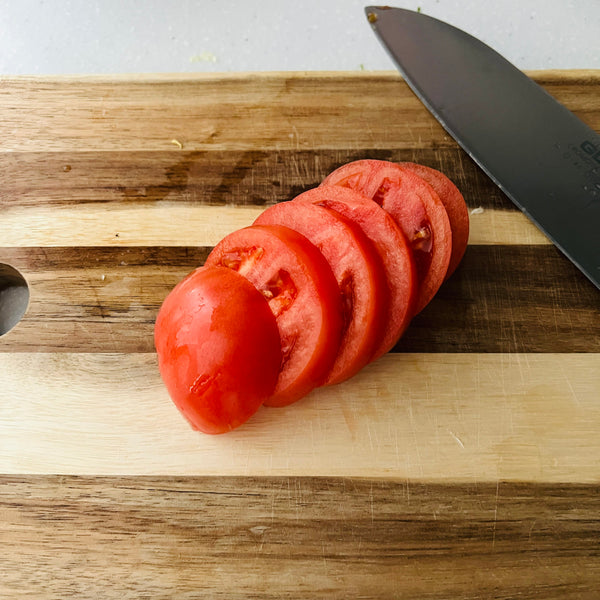
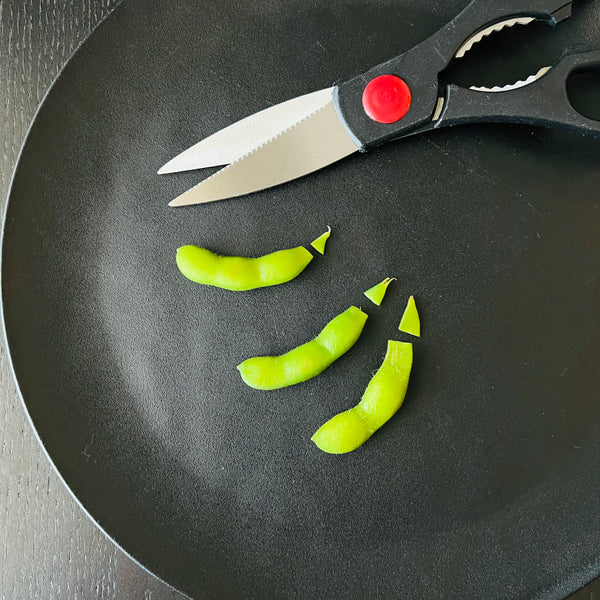
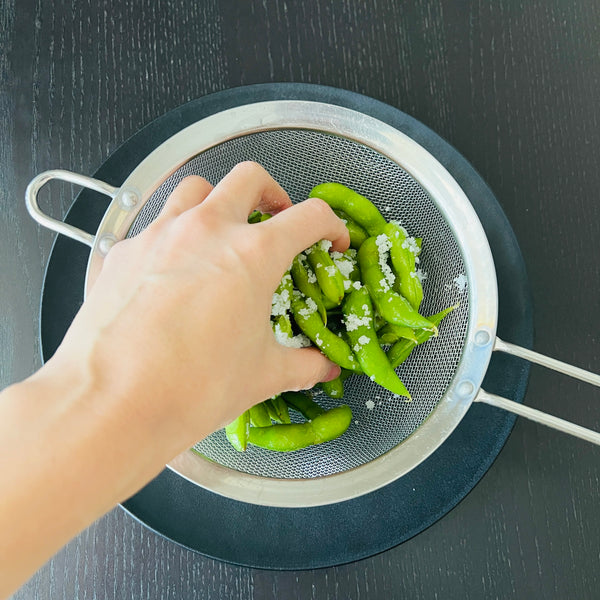
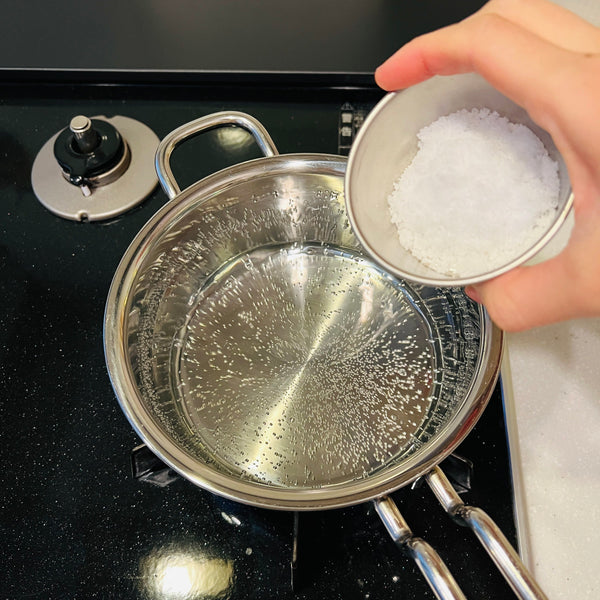
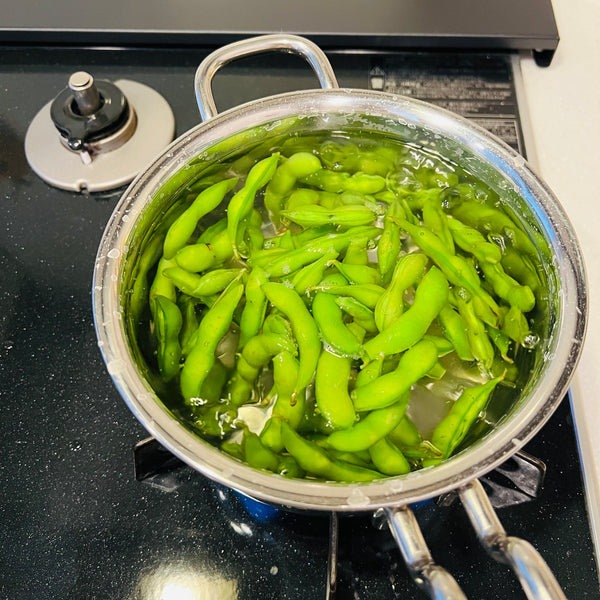
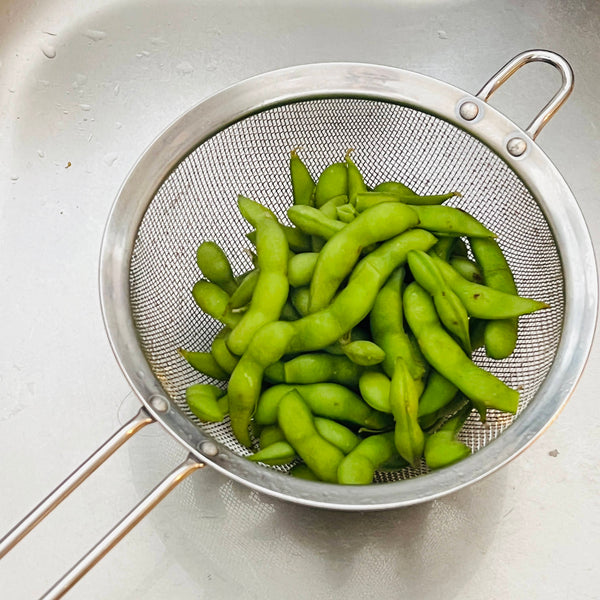
5) Boiled Edamame