
Jump to:
Fatigué de manger des œufs de la même manière ? Are you looking for new ways to cook this common staple food? We’ll you’re in luck because Japanese cuisine is well known for utilizing eggs in many dishes - both sweet and savory. In this article, we’ll guide you through 13 different Japanese egg recipes that you can enjoy for breakfast, lunch, dinner, and even dessert. You’ll be able to find most of these recipes on our website, so definitely pick your favorites and add them to your recipe repertoire!
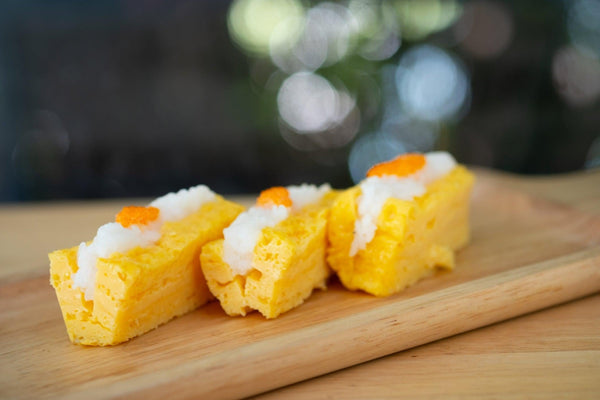
Tamagoyaki

Tamagoyaki is Japan’s take on an omelet made in a square pan. It can either be sweet and savory or only savory, depending on where you try it. It’s comprised of many layers, so it’s quite fluffy too. The best part is that with a little practice and minimal Japanese pantry staple ingredients, it can be easily made at home.
Tamago Kake Gohan
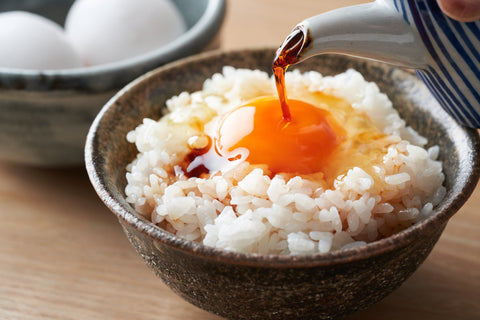
This is the simplest way to enjoy eggs in Japanese fashion. All you need to do is crack a raw egg into a bowl of hot rice, add a splash of sauce soja, et mélangez le tout. The result is a somewhat frothy yet creamy egg and rice experience. You can top it with furikaké, graines de sésame, or even add natto. Feel free to enjoy it with any of your favorite toppings!
Note: this dish utilizes raw eggs, so it’s best to use high-quality or pasteurized eggs.
Tamago Sando (sandwich à la salade aux œufs)
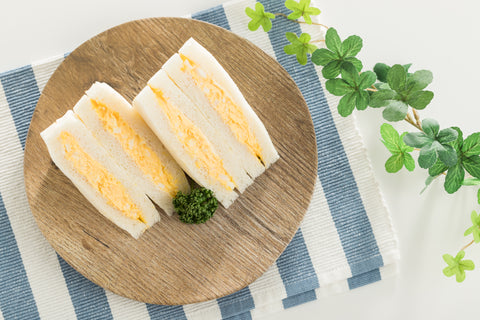
The tamago sando is a classic sandwich that can be enjoyed at any time of the day really. C'est un simple sandwich qui oreiller Japonse mayo-salade aux œufs garnie entre moelleux shokupan milk bread. Once you realize how simple this recipe is to make at home, we guarantee that you’ll be making it over and over again.
Tamago Sushi
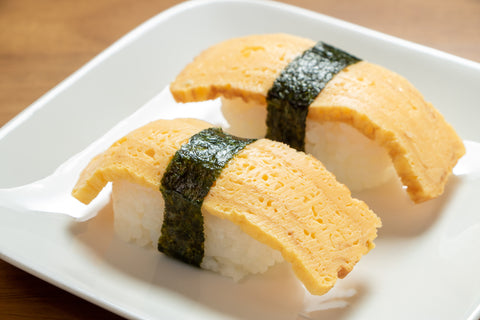
Once you’ve mastered making tamagoyaki, you can use it to make tamago sushi. Tamago sushi is comprised of a slice of tamagoyaki placed over a mound of riz à sushi et est généralement enveloppé d'un mince morceau de nori seaweed. It’s commonly found in sushi restaurants, both traditional and conveyor-belt style, mais pourquoi ne pas essayer de le faire à la maison aussi ?
Oyakodon
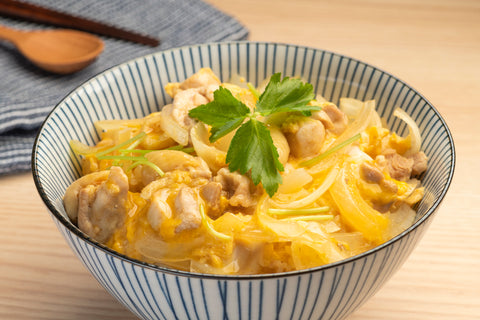
Oyakodon signifie « bol de riz parent et enfant » et se compose d'un bol de riz garni de poulet mijoté sucré et salé, d'œufs et d'oignons dans une sauce à base de soja. It requires minimal ingredients and is absolutely delicious. It’s perfect to make on weeknights or anytime when you just don’t have much time to cook.
Omurice

If you’re looking for a more filling and fun way to utilize eggs, try making omurice. L'omurice, ou riz pour omelette, est un Yoshoku-style dish made up of ketchup fried rice wrapped in an omelet and finished with a ketchup sauce. You only need a few pantry staple ingredients to make it and once you try it, it might become your new favorite dish!
Omusoba

You can also take the concept of omurice and combine it with noodles to make omusoba. You can use our yakisoba recipe and wrap a fluffy egg omelet over it to make omusoba. Top it with ketchup, yakisoba sauce, ou même mayonnaise and you’ve got yourself the ultimate comfort meal.
Chawanmushi
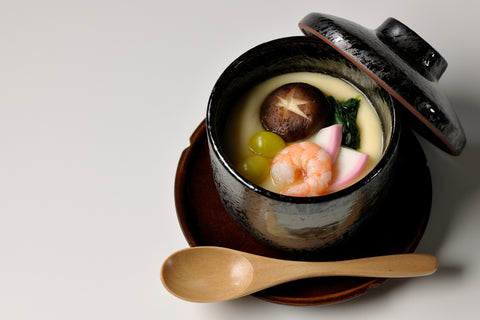
Chawanmushi is like a savory Japanese egg custard. It’s a steamed egg dish with a silky smooth texture that’s to die for. La base du chawanmushi est constituée uniquement d'œufs et dashi assaisonné avec des assaisonnements typiquement japonais comme light soy sauce et mirin. You can add your favorite vegetables and proteins to make your chawanmushi more substantial. Nous proposons sur notre site Web une recette de chawanmushi inspirée de l'automne qui utilise des carottes, des patates douces et d'autres ingrédients copieux pour créer un plat d'œufs réchauffant. Essayez-le !
Onsen Tamago
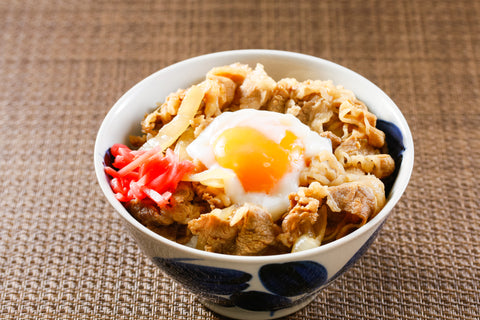
Onsen tamago is a delectable topping to pair with Japanese dishes like gyudon. Onsen tamago, which literally translates to hotspring eggs, are cooked to perfection creating silky egg whites and custardy, jam-like yolks. These slowly poached eggs can be enjoyed in any culinary application you’d like. Nous vous suggérons de les garnir de gyudon, de salade, pasta, ou même simplement autour d'un bol de riz.
Zosui
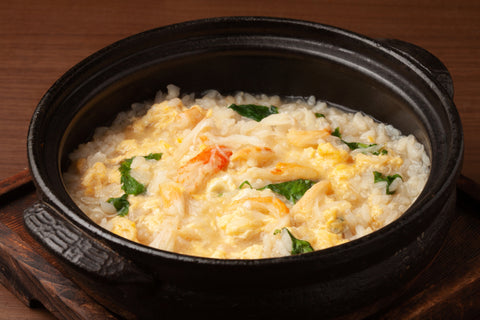
Zosui is a really easy way to utilize leftover rice and eggs. Zosui is a Japanese take on rice porridge and has a risotto-like texture. You can make zosui at home easily with rice, eggs, dashi, and a few simple seasonings. It’s super comforting when you're sick or even just to enjoy on a cold day.
Purin
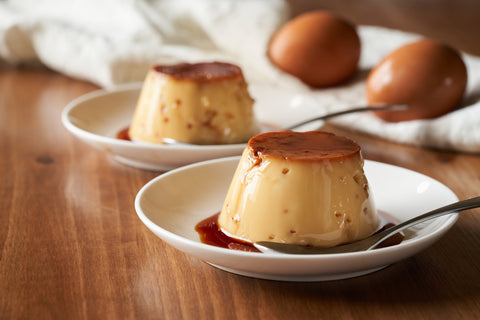
Purin or Japanese custard pudding is a delicious way to enjoy eggs in a sweet application. This silky smooth yet rich custard pudding is easy to make at home too. Once you try making it at home, you’ll find that the store-bought stuff just can’t beat it!
Soufflè Pancakes

You’ve probably seen those fluffy, cloud-like soufflè pancakes that have taken social media by storm now. When you take a bite into these pancakes, it really feels like you’re taking a bite into a cloud! The secret lies behind whipping fluffy egg whites into the pancake batter. If you don’t want to spend hours waiting in line to try these delicious pancakes, make them at home instead. A bonus point is that you can enjoy the plain version or chocolate using our recipe.
Soufflè Cheesecake

Another must-try Japanese egg-based dessert is the Soufflè Cheesecake. You can make this recipe at home with simple ingredients that you probably already have. It’s best to use an electric whisk or mixer so that you can whip up the egg whites to perfection.
Quelle recette d'œufs japonais allez-vous essayer en premier ? Nous aimerions le savoir dans les commentaires ci-dessous !


0 commentaire